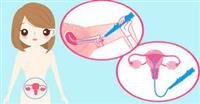
Pelvic inflammatory disease (PID) is a bacterial illness of the female reproductive system, including the uterus, fallopian tubes and ovaries. It’s usually the result of a sexually transmitted infection like gonorrhea or chlamydia. It can cause pain in your lower belly and hurt your ability to have a baby if it’s not treated properly. About 770,000 women are diagnosed with PID each year.
The Symptoms
There are a variety of problems that could be a sign of PID. They include
Pain or tenderness in the lower or upper right abdomen
A foul-smelling discharge from your vagina
Pain when you pee
Pain during sex
Fever
Throwing up, or feeling like you’re going to throw up
More bleeding than usual during your period
You should see a doctor if you’re experiencing these symptoms. But some of these things can also be signs of other serious conditions, so your doctor will most likely run some tests to figure out whether you have PID or something else.
Diagnosing PID
When you visit your doctor, she’ll likely give you a pelvic examination. She’ll check for signs of tenderness in your cervix, uterus or surrounding organs (ovaries and fallopian tubes).
She’ll also
Look for signs of any fluid in the vagina or cervix that doesn’t look right
Ask about your symptoms and your medical and sexual history
Take your temperature
You doctor may check fluid samples under a microscope and send cultures for gonorrhea and chlamydia to the lab.
She might also recommend some tests
Blood test. This is to check for sexually transmitted infection.
Ultrasound. This will make a picture of your internal organs.
If the exam or your tests show a high suspicion for PID, your doctor will talk to you about what treatment you need to get rid of it. You should also talk about your diagnosis with anyone you had sex with in the 60 days before your exam. That way they can get tested as well.