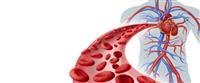
Peripheral vascular disease, also called PVD, refers to any disease or disorder of the circulatory system outside of the brain and heart. The term can include any disorder that affects any blood vessels. It is, though, often used as a synonym for peripheral artery disease.
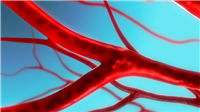
PVD is the most common disease of the arteries. The build-up of fatty material inside the vessels, a condition called atherosclerosis or hardening of the arteries, is what causes it. The build up is a gradual process. Over time, the artery becomes blocked, narrowed, or weakened.
When a blockage occurs in the arteries of the heart, it''s called coronary heart disease or coronary artery disease. Most often, atherosclerosis is thought of in terms of its effect on arteries of the heart and of the brain. But atherosclerosis can affect any other blood vessel throughout the body.
Blood vessels in the legs are the ones most often affected. Other arteries frequently affected include those that supply blood to the kidneys and those in the arms. When an artery is blocked or narrowed, the part of the body it supplies doesn''t get enough oxygen. The condition is called ischemia. Ischemia can cause a variety of symptoms, depending on the organ or system that''s affected.
Symptoms range from pain, cold feet, and bluish discoloration to stroke or gangrene. If the condition is not reversed, the affected body part is injured and eventually starts to die. It''s important to find narrowed arteries before damage occurs.
Who Gets PVD
About 8.5 million people in the United States have PVD. It occurs mostly in people over age 60, affecting about 12% to 20% of people in that age group. It''s also common among people with diabetes. Men are slightly more likely than women to have PVD. The disease is more common in smokers. The combination of diabetes and smoking almost always results in more severe disease.
PVD is a leading cause of disability among people over age 60, as well as those with diabetes. Up to 40% of the people with PVD don''t have symptoms. Of those who do, many don''t tell their health care providers.
People often think PVD is a normal part of aging and that nothing can be done about it. Others think the only solution is surgery. But surgery is only one of several effective treatments available. Treating PVD medically and with lifestyle changes is the best way to prevent it from getting worse and protect against complications. This is especially true for people who have high blood pressure (hypertension) or diabetes, those with high fats or lipids in their blood, and those who smoke.
Causes of Peripheral Vascular Disease
The most common cause of PVD is peripheral artery disease, which is due to atherosclerosis. Fatty material builds up inside the arteries and mixes with calcium, scar tissue, and other substances. The mixture hardens slightly, forming plaques. These plaques block, narrow, or weaken the artery walls. Blood flowing through the arteries can be restricted or completely blocked.
Other causes of PVD include
Blood clots: A blood clot can block a blood vessel.
Diabetes: The high blood sugar level present with diabetes can, over time, damage blood vessels. This makes them more likely to become narrow or to weaken. People with diabetes often also have high blood pressure and a high level of fats in the blood. Both conditions can accelerate the development of atherosclerosis.
Inflammation of the arteries or arteritis: Arteritis can cause narrowing or weakening of the arteries. Some autoimmune conditions lead to vasculitis. The inflammation can affect not just arteries, but other organ systems too.
Infection: The inflammation and scarring caused by infection can block, narrow, or weaken blood vessels. Both salmonellosis (infection with Salmonella bacteria) and syphilis are two infections traditionally known to infect and damage blood vessels.
Structural defects: Defects in the structure of a blood vessel can cause narrowing. Most of these are acquired at birth, and the cause is unknown. Takayasu disease is a vascular disease that damages the aorta, the large blood vessel carrying blood from the heart to the body. It is most common among females of Asian origin.
Injury: Blood vessels can be injured in an accident such as a car wreck or a bad fall.
Risk factors for peripheral vascular disease include
Family history of heart disease, high blood pressure, high cholesterol, or stroke
Older than 50 years
Overweight or obesity
Inactive (sedentary) lifestyle
Smoking
Diabetes
High blood pressure
High cholesterol or LDL (the “bad cholesterol”), plus high triglycerides and low HDL (the “good cholesterol”)
People who have coronary heart disease or a history of heart attack or stroke generally also have an increased frequency of having PVD.