A system of flexible tubes some big, some very tiny move fluids throughout your body. If they were stretched end-to-end, there would be enough to circle the Earth multiple times.
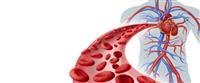
Some of them move blood. As your heart beats, it pumps blood with oxygen and nutrients to feed yourtissues and carry off waste. Arteries move blood away from the heart. Veins return it.
Lymph vessels and lymph nodes are part of a cleaning system that removes damaged cells from your body. They also help protect your body from infections and cancer. The vessels pick up fluid from tissues throughout your body. That fluid eventually drains back into veins under your collarbones.
This whole network of vessels is known as your vascular or circulatory system. "Vascular" comes from a Latin word for hollow container. Any condition that affects this system is considered vascular disease. The diseases range from problems with your arteries, veins, and vessels that carry lymph to disorders that affect how blood flows. A disease can lead to your tissues not getting enough blood, a condition called ischemia, as well as other serious, even life-threatening, problems.
Atherosclerosis and Peripheral Artery Disease
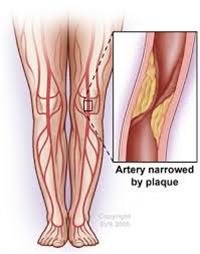
Coronary arteries supply blood to your heart muscle. Peripheral arteries carry blood to other tissues and organs throughout your body. Both can have deposits of fat, cholesterol, and other substances on their inside walls. These deposits are known as plaque. Over time, plaque can build up, narrowing the vessel and making it hard for blood to flow.
Eventually, the artery will be so narrow that your body''s tissues don''t get enough blood. Depending on where it happens, you can have different symptoms and problems. For example:
Blockage in coronary arteries can cause chest pain (angina) or a heart attack.
If it''s in the carotid arteries that supply your brain, it can lead to a stroke or mini stroke, which is called a transient ischemic attack or TIA.
Blockage in the kidneys can lead to trouble with how they work, uncontrolled high blood pressure, and heart failure.
A blockage in a leg can lead to leg pain or cramps when you''re active a condition called claudication skin color change, sores or ulcers, and your legs feeling tired.
When you don''t have any blood flow to a part of your body, the tissues could die. If that happens, you may lose a limb or an organ.
Aneurysm
An aneurysm is a bulge in the wall of any blood vessel. It''s most often seen in the aorta, the main blood vessel leaving the heart. You can get an aortic aneurysm in your chest, where it''s called thoracic, or your belly, where it''s called abdominal.
Small aneurysms generally pose no threat. But they do put you at risk for other problems
Plaque deposits may build up where the aneurysm is.
A clot may form there then break off and get stuck somewhere else, which could be very dangerous.
The aneurysm might get bigger and press on other organs, which causes pain.
Because the artery wall is stretched and thinner at the spot of an aneurysm, it''s fragile and could burst under stress, like a balloon. The sudden rupture of an aortic aneurysm can be deadly.
Raynaud''s Phenomenon (Raynaud''s Disease or Raynaud''s Syndrome)
When you''re cold or excited, the small arteries of your fingers and sometimes your toes may twitch or cramp. This can temporarily shut down blood supply to the area, making your skin look white or bluish and feel cold or numb.
The working conditions of some jobs bring on Raynaud''s. Or the symptoms might be related to underlying diseases, including lupus, rheumatoid arthritis, and scleroderma.
Buerger''s Disease
This rare disease most often affects the small and medium sized arteries and veins in your arms and legs. They swell up and may get blocked by clots, cutting off blood supply to your fingers, hands, toes, or feet. These body parts will hurt, even when you''re resting. If it''s severe, you might need to amputate fingers or toes that have died.
People with Buerger''s disease may also have Raynaud''s phenomenon.
Although the cause is unknown, there''s a strong association with tobacco use including cigars and chewing tobacco and secondhand smoke.
Peripheral Venous Disease and Varicose Veins
Unlike arteries, veins have flaps inside called valves. When your muscles contract, the valves open and blood moves through the tubes. When your muscles relax, the valves close so the blood only flows in one direction.
Damaged valves may not close completely as your muscles relax. This allows blood to flow in both directions, and it can pool.
Varicose veins are an example of this. They may bulge like purple ropes under your skin. They can also look like small red or purple bursts on your knees, calves, or thighs. These spider veins are caused by swollen small blood vessels called capillaries. At the end of the day, your legs might ache, sting, or swell.
More women than men get varicose veins, and they often run in families. Pregnancy, being very overweight, or standing for long times can cause them.
Because the blood is moving more slowly, it may stick to the sides of the veins, and clots can form.
Blood Clots in Veins (VTE)
A blood clot in a vein inside a muscle, usually in your lower leg, thigh, or pelvis, is a deep vein thrombosis (DVT). If it breaks loose and travels to your lungs, it becomes a pulmonary embolism (PE). These clots in your veins are called venous thromboembolisms, or VTE.
They''re usually caused by
Conditions that slow blood flow or make blood thicker, such as congestive heart failure and certain tumors
Damaged valves in a vein
Damaged veins from injury or infection
Genetic disorders that make your blood more likely to clot
Hormones, such as estrogen from pregnancy and birth control pills
Long bed rest or not being able to move much
Surgery, especially some operations on your hips and legs
Damaged vein valves or a DVT can cause long-term blood pooling and swelling in your legs, too. That''s called chronic venous insufficiency. If you don''t do anything about it, fluid will leak into the tissues in your ankles and feet. It may eventually make your skin break down and wear away.
Blood Clotting Disorders
Some illnesses make your blood more likely to form clots. You could be born with one, or something may happen to you. These disorders can cause
Higher-than-normal levels of clot-forming substances, including fibrinogen, factor 8, and prothrombin
Not enough blood-thinning (anticoagulant) proteins, including antithrombin, protein C, and protein
Trouble breaking down fibrin, the protein mesh that holds clots together
Damage to the endothelium, the lining of the blood vessel
Lymphedema
Your lymphatic system doesn''t have a pump like your blood circulation system does. It relies on valves in the vessels and muscle contractions to keep the lymph moving.
When vessels or nodes are missing or don''t work right, fluid can build up and cause swelling, most often in your arms or legs. This is called lymphedema.
Primary lymphedema is rare. It happens when you''re born without certain lymph vessels or when you have a problem with the tubes themselves.
A blockage or interruption of the lymphatic system is called secondary lymphedema. It can happen because of:
Cancer and cancer treatments, including radiation
Deep vein thrombosis (DVT)
Infection
Scar tissue formation
Serious injury
Surgery