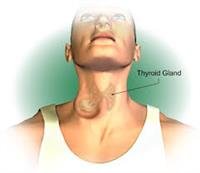
Thyroid cancer occurs in the cells of the thyroid — a butterfly-shaped gland located at the base of your neck, just below your Adam''s apple. Your thyroid produces hormones that regulate your heart rate, blood pressure, body temperature and weight.
Although thyroid cancer isn''t common in the United States, rates seem to be increasing. Doctors think this is because new technology is allowing them to find small thyroid cancers that may not have been found in the past.
Most cases of thyroid cancer can be cured with treatment.
Symptoms
Thyroid gland showing larynx and trachea
Thyroid gland
Thyroid cancer typically doesn''t cause any signs or symptoms early in the disease. As thyroid cancer grows, it may cause:
A lump that can be felt through the skin on your neck
Changes to your voice, including increasing hoarseness
Difficulty swallowing
Pain in your neck and throat
Swollen lymph nodes in your neck
When to see a doctor
If you experience any of these signs or symptoms, make an appointment with your doctor. Thyroid cancer isn''t common, so your doctor may investigate other causes of your signs and symptoms first.
Request an Appointment at Mayo Clinic
Causes
It''s not clear what causes thyroid cancer.
Thyroid cancer occurs when cells in your thyroid undergo genetic changes (mutations). The mutations allow the cells to grow and multiply rapidly. The cells also lose the ability to die, as normal cells would. The accumulating abnormal thyroid cells form a tumor. The abnormal cells can invade nearby tissue and can spread throughout the body.
Types of thyroid cancer
The type of thyroid cancer you have determines treatment and prognosis. Types of thyroid cancer include:
Papillary thyroid cancer. The most common form of thyroid cancer, papillary thyroid cancer arises from follicular cells, which produce and store thyroid hormones. Papillary thyroid cancer can occur at any age, but most often it affects people ages 30 to 50.
Follicular thyroid cancer. Follicular thyroid cancer also arises from the follicular cells of the thyroid. It usually affects people older than age 50. Hurthle cell cancer is a rare and potentially more aggressive type of follicular thyroid cancer.
Medullary thyroid cancer. Medullary thyroid cancer begins in thyroid cells called C cells, which produce the hormone calcitonin. Elevated levels of calcitonin in the blood can indicate medullary thyroid cancer at a very early stage. Certain genetic syndromes increase the risk of medullary thyroid cancer, although this genetic link is uncommon.
Anaplastic thyroid cancer. Anaplastic thyroid cancer is a rare and rapidly growing cancer that is very difficult to treat. Anaplastic thyroid cancer typically occurs in adults age 60 and older.
Thyroid lymphoma. Thyroid lymphoma is a rare form of thyroid cancer that begins in the immune system cells in the thyroid and grows very quickly. Thyroid lymphoma typically occurs in older adults.
Risk factors
Factors that may increase the risk of thyroid cancer include
Female sex. Thyroid cancer occurs more often in women than in men.
Exposure to high levels of radiation. Examples of exposure to high levels of radiation include radiation treatments to the head and neck and fallout from sources such as nuclear power plant accidents or weapons testing.
Certain inherited genetic syndromes. Genetic syndromes that increase the risk of thyroid cancer include familial medullary thyroid cancer and multiple endocrine neoplasia.
Complications
Thyroid cancer that comes back
Despite treatment, thyroid cancer can return, even if you''ve had your thyroid removed. This could happen if microscopic cancer cells spread beyond the thyroid before it''s removed.
Thyroid cancer may recur in
Lymph nodes in the neck
Small pieces of thyroid tissue left behind during surgery
Other areas of the body
Thyroid cancer that recurs can be treated. Your doctor may recommend periodic blood tests or thyroid scans to check for signs of a thyroid cancer recurrence.
Prevention
Doctors aren''t sure what causes most cases of thyroid cancer, so there''s no way to prevent thyroid cancer in people who have an average risk of the disease.
Prevention for people with a high risk
Adults and children with an inherited gene mutation that increases the risk of medullary thyroid cancer are often advised to have thyroid surgery to prevent cancer (prophylactic thyroidectomy). Discuss your options with a genetic counselor who can explain your risk of thyroid cancer and your treatment options.
Prevention for people near nuclear power plants
Fallout from an accident at a nuclear power plant could cause thyroid problems in people living nearby. If you live within 10 miles of a nuclear power plant in the United States, you may be eligible to receive a medication (potassium iodide) that blocks the effects of radiation on the thyroid. If an emergency were to occur, you and your family could take the potassium iodide tablets to help prevent thyroid problems. Contact your state or local emergency management department for more information.