What Is Optic Neuritis?
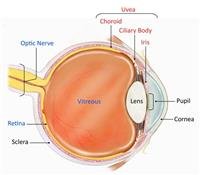
Optic neuritis (ON) is a condition in which your optic nerve (the nerve that carries visual information
from your eye to your brain) becomes inflamed. Inflammation causes vision loss—although usually in only one eye. As you recover and the inflammation goes away, your vision may return. ON can flare up suddenly from an infection or nerve disease.
Those with ON suffer vision loss, which can be accompanied by pain. There are other conditions with symptoms that resemble the symptoms of ON. Physicians may use optical coherence tomography (OCT) or magnetic resonance imaging (MRI) to help reach the correct diagnosis.
ON does not always require treatment and can heal on its own. Medications, such as corticosteroids, can help speed recovery. Most cases of ON have near to almost complete vision recovery.
Risk: Factors
What Factors Increase the Risk of Developing Optic Neuritis?
You are more likely to develop ON if
you are female between the ages of 18 and 45
you have been diagnosed with multiple sclerosis (MS)
you live at a high latitude (e.g., Northern United States, New Zealand, etc.)
Causes
What Causes Optic Neuritis?
The cause of optic neuritis is not well understood. Most cases are idiopathic, which means they have no apparent cause. In other cases, the most common cause is multiple sclerosis (MS). In fact, ON is often the first symptom of MS. Less commonly, ON is caused by infection or an inflammatory immune system response.
Nerve diseases that can cause ON include
multiple sclerosis
neuromyelitis optica
Shilder’s disease
Infections that may cause ON include
mumps
measles
tuberculosis
Lyme disease
Other causes of ON include
sarcoidosis: an illness that causes inflammation in various organs and tissues
Gullain-Barre syndrome: a disease in which your immune system attacks your nervous system
post-vaccination reaction: an immune response following vaccinations
Symptoms
What Are the Symptoms of Optic Neuritis?
The three most common symptoms of optic neuritis are
vision loss in one eye—can vary from mild to severe and progresses for seven to 10 days
periocular pain (pain around the eye, often worsened by eye movements)
dyschromatopsia (disorder of color vision)
Other symptoms, which may occur with ON include
photopsias (seeing flashing lights)
changes in the way the pupil reacts to bright light
Rare symptoms
Uhthoff’s phenomenon: eye vision worsens with increase in body temperature
Pulrich phenomenon: a pendulum swinging in one plane appears to trace an ellipse because optic nerve conduction velocity is not symmetrical
Diagnosis
How Is Optic Neuritis Diagnosed?
A diagnosis of optic neuritis is based on physical exam, symptoms, and medical history. To ensure correct treatment, your doctor may perform additional tests to determine the cause of your ON.
Types of illness that can cause optic neuritis include
autoimmune neuropathies, such as systemic lupus erythematosus
compressive neuropathies, such as meningioma (a type of brain tumor)
inflammatory conditions, such as sarcoidosis
infections, such as sinusitis
ON is defined as inflammation of the optic nerve. There are conditions whose symptoms resemble ON but are not inflammatory. These include:
anterior ischemic optic neuropathy (AION)
leber hereditary optic neuropathy (LHON)
Because of the close relationship between ON and MS, your doctor may want to perform the following tests which aid in diagnosing MS:
optical coherence tomography, which looks at the nerves in the back of the eye
brain MRI, which uses a magnetic field and radio waves to create a detailed image of the brain
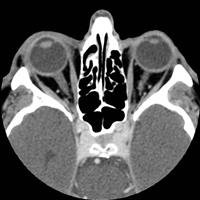
computed tomography (CT), which creates a cross-sectional X-ray of the brain or other parts of the body
Treatment
How Is Optic Neuritis Treated?
Most cases of ON recover without treatment. If your ON is caused by another condition, treating that condition will often resolve the ON.
Treatment for optic neuritis includes
intraveneous methylprednisolone (IVMP) for rapid vision recovery
intravenous immunoglobulin (IVIG), which is considered a treatment but has yet to show high effect
interferon injections, which are used to treat MS
oral prednisone, to reduce inflammation
There are possible adverse effects from the use of corticosteroids (e.g. IVMP or oral prednisone). Rare side effects, such as severe depression and pancreatitis, were only seen with IVMP.
Common side effects of steroid treatment include
sleep disturbances
mild mood changes
stomach upset
Outlook
What Is the Long-Term Outlook for Optic Neuritis?
More than 90 percent of ON cases will have partial to complete vision recovery at six months. After six months, healing rates decrease, and damage is more permanent. Even with good vision recovery, many patients will still have a varying amount of damage to the optic nerve.
The eye is a very important part of the body. Warning signs of lasting damage need to be addressed before they become irreversible.
Warning signs that you need to return for further treatment include
your vision continues to worsen for more than two weeks
you have no improvement after eight weeks