Brief summary
A common skin condition affecting all ages, in which moisture is lost from the skin.
Itching is one of the most common symptoms of dry skin.
They are often temporary and in winter, but they can be life-long.
The treatment is carried out in a lifestyle change, and ointments, creams or moisturizing medications can be used.
Avoid cold weather, hot water, and applying moisturizing creams are among the most important ways to protect.
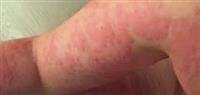
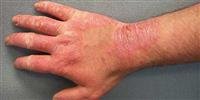
It is a common skin condition, characterized by itching and the appearance of crusts and cracks in which moisture is lost from the skin, and arms, legs and legs are the most exposed areas to dehydration, a person may have dry skin naturally, can happen for a variety of reasons, and can affect all Ages, and its severity varies from person to person.
the skin
The skin has three layers
The outer layer of skin (epidermis).
The middle class (the dermis).
The fat layer (under the dermis) that contains adipose tissue, nerves and hair follicles.
Other names
Skin sweat - fatty degeneration (hypotension).
Reason
The sebaceous glands in the skin produce a protective oil "sebum" to protect the outer layer from losing moisture, so if the skin does not contain enough amount of oily substance it loses moisture and results in dehydration, as there is no single reason for the occurrence of dry skin but is often due to the environment .
Risk factors
Age.
Winter and fall.
Menopause.
Hypothyroidism
Chronic kidney disease.
Malnutrition and weight loss.
Skin diseases (such as eczema and psoriasis).
Certain medications (such as diuretics, etc.).
Direct heat.
Use hot water frequently.
Excessive showering.
Using some types of soap and detergent.
Symptoms
It is often temporary and in the winter, but it may be a lifelong condition, where signs and symptoms depend on several factors (such as: age, health status, etc.), and symptoms may include the following:
Skin roughness.
Redness and itching
Hard White Scales.
Fine lines on the skin.
Gray skin color.
Deep cracks with blood.
When to see a doctor
Red skin appears dry.
Open sores or infections.
Droughts spread to other areas of the body.
Complications
Atopic dermatitis (eczema).
Infections and Infections.
Diagnosis
Medical History.
Clinical examination that includes questions about bathing habits, diet, and skin care method.
Certain diagnostic tests (such as hypothyroidism).
treatment
Often treatment is carried out when changing the lifestyle (such as: using moisturizers, avoiding bathing for a long time and using hot water), and ointments, creams or moisturizing medical preparations may also be used, if the patient has a skin disease (such as: atopic dermatitis, ichthyosis or Psoriasis) creams, ointments, or other treatments may be prescribed.
protection
Maintaining body hydration.
Reducing the use of hot water while taking a shower.
Maintaining shower time where it is less than 10 minutes.
Reducing the use of soaps and scented creams.
Moisturizing the body with oil or moisturizers that contain oils immediately after bathing.
Avoid rubbing or scratching the skin to avoid worsening of symptoms.
Wear the scarf, hat and gloves when out in cold weather.
Wear rubber gloves when using strong detergents.
Use lukewarm water and reduce shower time.
Make sure to choose clothes made from natural silk and cotton to allow the skin to breathe.
It is preferable to wash clothes with detergents without dyes or perfumes to prevent irritation of the skin.
Maintaining body moisture by drinking fluids.
Use cold compresses on the dry area when itching appears.
Quit Smoking.
common questions
Is dry skin a condition or a sign that the body has not taken enough fluids?
Dryness of the skin can be due to a pathological condition, or it can only be dehydration without any disease due to fluid shrinkage.
Is it recommended to scrub the body when scales appear on the skin?
This is not recommended and should be consulted by a physician.
wrong concepts
Are there certain foods that help moisture the skin?
Truth: Foods rich in liquids, such as vegetables and fruits, can help moisturize the skin.