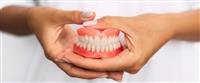
The functions of the organs of the human body are intertwined with each other, so any loss of a member or a decline in the performance of its function will indirectly lead to negatively affecting the functions of other organs in the body, and if we talk about the teeth and their functions, the tooth loss will lead to a decline in the performance of a number of vital functions of the body, The function of digestion and speech is affected and some tissues retract
The face (gums, lips, and cheeks) is adversely affected by the aesthetic appearance of the face. Hence the importance of dental prosthesis and among the most prominent dental prosthetic techniques, the most recent of which are dental implants.
What is the process of dental implants
It is a type of dental prosthesis and it is based on the principle of providing strong support for the artificial tooth to serve as the root of the tooth, a research that achieves a permanent permanent replacement of the natural tooth. And every surgical work is preceded by preparations and checks to ensure its success and to prevent the incidence of complications that cannot be sustained, and in any case the dental implant surgery remains a successful surgery.
Procedures that precede dental implantation: Review the general health condition: Initially, the patient must inform the dentist of his general health condition, which is a routine procedure, some may see as unimportant, but the doctor must know the chronic diseases that the patient suffers in the event of their presence And some diseases require previous follow-up to the dental implant, which may extend for months. In the case of diabetes or high blood pressure, the patient must be monitored with a period of two months before the operation to control the level of blood sugar or the degree of blood pressure, or estimate the patient’s likelihood of anesthesia doses, and in cases of cancer or the patient’s exposure to radiotherapy sessions, bone healing may not be possible Likewise, heavy smoking, alcoholism, and periodontal disease threaten dental implants with failure.
Medical examinations and radiographic images: The dentist will ask the patient to perform blood and urine analyzes, as well as some radiographic images in order to clarify the anatomical position of the patient''s face and jaw, and to determine the efficiency and thickness of the jawbones to perform the dental implant, and the extent to which the bone needs a grafting or vaccination process. There are three types of x-rays:
X-rays: These are traditional images that show the general condition of the mouth and teeth.
Winged Bite Images: Provides a picture of the background teeth coming into contact with each other while biting
Panoramic images: They are two-dimensional images, which give a clear picture of the structures and tissues of the mouth.
Sectional images: They are the best types of images, as they give the doctor multiple images from different angles, and the computer can be used to obtain anatomical images of the jaw bone and the soft tissues inside the mouth. The purpose of these analyzes and images is to accurately identify the state of the bones, the nasal cavities, the nerves, and the possibility of making holes in preparation for the placement of dental implants.
Preparation before the dental implant: According to the Vera Clinic, the teeth may need physician interventions to carry out a restoration of dental caries and put fillings before performing the dental implant, and the doctor may change the old fillings, especially if they are not fixed.
The doctor determines the dental line, gum rehabilitation, and estimates the gum’s need for gingival tissue grafting. The jawbones may need a rehabilitation process to be ready for the dental implant, and the jaw bone rehabilitation is as follows:
Jawbones may be weak or there is atrophy in the jawbone. In this case, the jaw bone grafting process should be used by grafting the bone with pieces of bone taken from other parts of the jaw, and if this is not possible due to the condition of the jaw bone, grafts can be taken from the femur.
The jaw may be narrow and it is not possible to perform a dental implant so the doctor expands the jaw by adding bone grafts along the upper part of the jaw. So-called hills occur to cause expansion of the jaw bone.
The sinuses may become close to the teeth due to atrophy of the jaw bone, especially in the event of loss of the upper posterior teeth. Bone grafts are added at the bottom of the sinuses to keep the sinuses away from the process of fixing dental implants. Thus, the patient has become ready to undergo the dental implant and the prospects for success of the operation have become high.