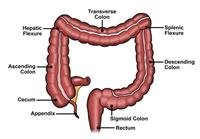

Colon eradication is done by laparoscopic surgery - large bowel resection in the following cases: - Bowel infections - such as Crohn''s disease, or ulcerative colitis. Familial polyposis, a genetic disease in which hundreds and thousands of polyps (small tumors) are formed, all along the colon.
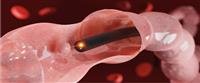
The term "endoscopy" refers to the use of a treatment technique called "laparoscopy", during which the surgeon performs surgery through a very small incision (5-10 mm) in the abdomen. The telescope is a small telescope-like device that is ed through the aforementioned small incision, close to the navel.
Colectomy surgery has three main stages
First stage: laparoscopy.
Second stage: separating the Sigmoid colon from the Rectum.
Third stage: the ileum (Ileum) has arrived again with the rectum.
Recovery stage
It is desirable, when the patient returns to his home after a colectomy, to increase his level of physical activity gradually and at a steady pace. Walking is an excellent sport, and helps in a full recovery, as it is a good muscle tonic, and stimulates blood flow to prevent clot formation, in addition to helping to keep the lungs clean.
A person who had good physical fitness and was used to exercising before a large bowel removal surgery can return to routine training when he feels he is able to do so, but it is conditional on the doctor’s approval. It is worth noting that it is necessary to categorically refrain from doing the exercises that require much effort, lifting heavy weights and abdominal exercises, for 6 weeks after the day of the surgery.
In addition to the foregoing, after returning home to the large intestine, the patient must maintain a light feeding system, meaning that he can eat almost everything he wants, except for uncooked fruits and vegetables. This nutrition must be carefully maintained until the postoperative examination, and if this nutrition causes constipation, consult a doctor.