
Can a cataract come back after surgery?
After cataract surgery, patients can read without problems, they can drive their cars without worrying about the glare and decreased vision, they can paint again and be more independent. (Photo: Getty Images/iStockphoto)
A frequently asked question from my patients who plan to have cataract surgery is, "will my cataract come back?"
The answer is no, but an "after cataract" may develop.
Cataract surgery is recommended when the natural lens inside the eye becomes cloudy and decreases the person’s ability to see.
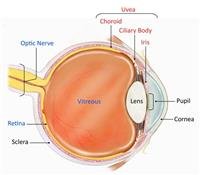
The human lens has a cellophane-like outer lining called the lens capsule.
During the cataract operation, the front or anterior part of the capsule is opened to allow the removal of cloudy cataract inside the eye.
An artificial lens implant is then put inside the lens capsule in the eye and normal vision is restored with healing.
The lens capsule can thicken and become opaque after cataract surgery.
This lens capsule opacity is called "after cataract."
This can happen weeks or months after cataract operation, but more commonly occurs about one or two years after surgery.
The opaque and thickened lens capsule interferes with light transmission to the retina so the sight becomes hazy and there may be glare in bright light and halos at night.
As the "after cataract" progresses, the person notices the sight diminished as if the cataract comes back.
A YAG laser capsulotomy is a special laser treatment for "after cataract" to improve the vision.
During the procedure, a laser beam is used to an opening in the center of the back or posterior lens capsule which lets light through.
The procedure is done outpatient and no fasting or sedation is necessary.
The laser is painless and the vision is restored quickly to how it was after the initial cataract operation.
After the laser capsulotomy, some people may experience floaters for a few days.
While the YAG laser capsulotomy is very effective, as with any laser or surgical treatments, rare complications can occur such as the pressure inside the eye rises, swelling and detachment of retina and inflammation in the eye.
When the vision changes "after cataract" surgery, it is important to contact your ophthalmologist.
A laser capsulotomy will help to improve the sight if the after cataract or capsule opacity is at fault.