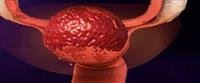
Menopause is the stage in which women stop pregnancy naturally, but what happens to the body then and why?
Menopause occurs in a stage of aging naturally, usually between the ages of 45 and 55 years, but this can happen through surgery by removing the ovaries or hysterectomy when necessary. The average age of menopause in the UK is 51.
What''s the reason?
The estrogen hormone is the most important hormone for the entire menstrual cycle, as it develops and releases one egg every month when it is ready for fertilization, and the endometrium prepares to receive the fertilized egg.
As women age, their egg stock decreases, ovulation, menstruation, and pregnancy are timed, and the woman''s body gradually stops producing estrogen, which controls the entire process.
This does not happen overnight, it may take several years for the hormone to retreat to low levels, and it remains the same.
What are the effects?
Some of these effects are very large, and both the brain, skin, muscles and feelings are affected by low estrogen levels. Each body may respond completely differently from others.
Many women experience the symptoms of menopause long before and after different periods, and are known as the "pre-menopause" stage.
Common symptoms of this stage include high body temperature, night sweats, sleep disturbance, insomnia, decreased libido and decreased mood, and bladder problems and vaginal dryness may appear during this period.
But when the production of estrogen stops completely, this has a long-term effect on the bones and the heart. Bones may weaken, which makes women more vulnerable to fractures, heart disease and stroke.
Therefore, they are treated with hormone replacement and substitution hormones that boost estrogen levels and help relieve symptoms.
But the symptoms are not the same for all women. They may differ from one woman to another in the degree of severity and duration that may range from a few months to years.
High fever and mood change
A lack of estrogen causes the body to warm, as this hormone contributes to regulating the temperature in the brain.
Usually the body adapts well to temperature changes, but this process is disturbed when there is a lack of estrogen.
The brain fancies that the body is suffering from hyperthermia, without such a thing in reality.
The hormone interacts with chemicals in the brain receptors that control mood, and lower levels can cause anxiety and mood swings.
The lack of estrogen can also affect the skin, making it drier or feeling as if the ants are moving under the skin.
What is the role of other hormones?
Sure, the progesterone and testosterone hormones play a role but not to the same degree as the effect of low estrogen levels.
Progesterone helps prepare the body for pregnancy every month, and decreases when the period ends.
The low level of testosterone produced by women''s bodies is linked to sexual desire and activity levels. It decreases at the age of thirties, and a small number of women need to compensate for its deficiency.
What are the signs?
Blood tests can be done to measure levels of the stimulating hormone called FSH, but it is not accurate, especially after the age of 45.
Experts say that hormone levels rise and fall continuously even during the same day, so the test cannot determine the hormone level.
The best way to follow up on this situation is to talk to the doctor about the menstruation pattern and any other symptoms that the woman may experience.
It is very important to know the symptoms to look for, such as feeling light, mood swings, nervousness, high fever, and night sweats.
One of the signs of menopause is a change in menstrual periods that may become more abundant or less regular.
Women will not realize that they entered the menopause stage a year before the menopause
What then?
Estrogen levels in the body do not improve after menopause. With an increase in life expectancy, women live more than a third of their lives with estrogen deficiency.
"There is no reason to give up," said Heather Currie, a gynecologist, menopause expert and former president of the British Menopause Association. The stereotype of menopause is changing, as women continue to work stunningly late in their lives.
Corrie advised women to talk to their doctors if they were affected, "Women must know the symptoms they should look for."
She explains that there are many ways to provide support and information to help women cope with the physical and emotional changes caused by menopause, and hormone replacement therapy is most effective for its symptoms.
There have been discussions about the safety of their long-term use, and whether they have side effects. But it has been shown that "the benefits of hormone replacement therapy outweigh the risks," according to Corrie.
She adds: "Talking to other women who have suffered or are suffering from menopause and face the same symptoms helps a lot in managing this period."
Menopause may be another good reason to push women toward a healthy lifestyle to significantly reduce the side effects of menopause. Via:
Eat a balanced diet that contains less fat and more calcium to strengthen bones and protect the heart.
Exercising regularly to reduce anxiety and stress and protect against heart disease.
Stop smoking to reduce heart disease and not to consume alcohol to reduce high body temperature.