About 1.8 million children under the age of 15 were infected with HIV in 2017. According to the Joint United Nations Program on HIV / AIDS (UNAIDS) , their report also shows that there is a decrease in new HIV infections among children by 8% since 2016. Thinking of a child with HIV can be scary. As a parent, you may want to know more about HIV in children, how it can affect them, and how you can protect your child from it. Madam Net met Dr. Magdy Badran, a member of the Egyptian Society for Allergy and Immunology, to let us know the causes and symptoms of HIV, Treatments, and preventive measures.
1. What is HIV?
Human immunodeficiency virus (HIV) is a virus that causes a condition called acquired immunodeficiency syndrome or AIDS. The virus attacks the immune system, especially CD4 cells. Also known as white blood cells or T cells are an important part of the immune system. After a person is infected, the virus slowly destroys the body''s ability to fight infection.
2. How do children acquire HIV?
Children can become infected with HIV from an infected mother, while they are in the womb or when breastfeeding (from mother to child or vertical transmission). The virus can be transmitted by:
Blood transfusion, when the blood of an infected person is given to a healthy person.
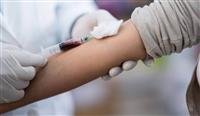
Use of contaminated syringes in hospitals or for anesthesia (shown below).
Sexual assault, such as forced sexual interaction that involves penetration.
Unprotected sexual intercourse (especially among adolescents). A person with HIV can transmit the virus to a partner.
Scratch (scratching or scraping the skin for permanent body modification such as tattoos and piercings), as a flaming needle is used.
Note that HIV cannot be spread by
Ethnicity.
Saliva.
Sharing pots, food or clothes.
Insect bites.
Knowing the symptoms of this infection will help you seek timely medical intervention.
3. What are the symptoms of HIV in children?
The symptoms of HIV can be classified into moderate, severe and severe, as shown in the following table.
Moderately light
Swelling of the parotid gland (salivary gland in the front of the ears).
Oral thrush for more than two months.
Yeast infection in the digestive system or lungs.
Enlarged lymph nodes
Pneumonia: associated with swelling and inflammation of the lung tissue
Serious bacterial infections such as blood infections, meningitis or pneumonia within two years.
Frequent or persistent ear infections
A persistent fever that lasts for more than a month.
Malignant lesions or tumors.
Dermatitis causes rashes and itchy skin.
Infection caused by hepatitis.
Pneumocystis pneumonia (the most common pneumonia with HIV).
Recurrent or persistent sinus infections.
Frequent or persistent diarrhea
Encephalopathy.
Increased spleen and liver size (enlarged liver), causing stomach swelling.
Complex chickenpox.
Kidney disease.
Other symptoms that may indicate possible HIV infection include
Neurological dysfunction such as microcephaly (head smaller than usual), nervous weakness, hypertonia (decreased muscle tension causing stagnation in flexion and movement), delay in achieving developmental milestones, or mental confusion.
Painful rashes with blisters on the chest and back.
If a child with HIV is infected with HIV, the following symptoms may appear
Weight loss or difficulty gaining weight.
Persistent rash
Enlarged lymph nodes (part of the immune system that filters bacteria and viruses).
Chronic thrush (fungal infection of the mouth, skin and nails).
Chronic diarrhea.
Prolonged fever.
Lack of energy.
Pelvic inflammatory disease.
Unusual infections
Short-term memory loss.
4. How is HIV diagnosed in children?
HIV antibodies are tested in children ages 18 months and older, who may show signs of HIV infection or those who are born to an HIV-positive mother, the test is usually done in two steps: Immunosorbent screening Enzyme-linked (EIA) followed by a smear test to confirm HIV antibodies.
The EIA test includes testing blood or oral fluid samples collected from the gums of the two patient''s cheeks to determine HIV antibodies. The Western Blot test also includes blood testing by separating blood proteins and identifying the protein that indicates HIV infection.
Both tests should produce positive results to confirm the diagnosis. If a child is exposed to HIV through other sources (such as needles or infected syringes, and sexual assault) and shows symptoms, but the test results are negative, the test should be repeated later.
Treatment should start soon enough if the diagnosis confirms HIV infection.
5. How is HIV treated in children?
Children infected with HIV should receive treatment as soon as possible. Treatment includes administering antiretroviral drugs, which can slow the rate of HIV vulnerability in the immune system. The medicine is available in the form of a drink for children, although it may not always be practical given that it must be taken in large quantities, and it must always be cooled due to its short shelf life.
It was found that the antiretroviral drugs given to pregnant women early in pregnancy and the baby at birth Significantly reduces the chance of HIV infection in an infant.
Children under the age of 15 can also benefit from taking an antibiotic called co-trimoxazole, which can prevent some childhood infections. It has been found to reduce the mortality rate of children with HIV by more than 40%.
6. Can children with HIV receive routine vaccinations?
Yes. Immunization can prevent diseases in children with HIV infection, although their response to vaccination may vary depending on their immunity level. The World Health Organization (WHO) has come up with a titration status that is possible for children with HIV without symptoms, and it is best to consult a pediatrician before proceeding with any vaccination schedule for an HIV-infected child.
7. How to prevent HIV in children?
-In high-income countries, infection has nearly been eradicated thanks to timely prevention, testing and treatment options. However, the situation remains grim in
Sub-Saharan Africa and South Asia, here are some measures to prevent HIV in children
-The best way to prevent HIV in children is to prevent mother-to-child transmission. Managing antiretroviral drugs in the first trimester of pregnancy can help maintain immunity, promote growth and development, and increase shelf life. Also, perinatal infants who received drug therapy showed an 80% or greater increase in the survival rate.
-If the mother is HIV positive when she is pregnant, the birth takes place through a cesarean operation to prevent the child from contracting the virus through the birth canal.
Such mothers should not breastfeed and use natives instead.
If the child wants to perform a tattoo or piercing, be sure to contact a specialist who follows all safety instructions for the equipment used for this procedure.
Ideally, children under the age of 18 should avoid getting a tattoo, although some parents may want to pierce the child''s ear or piercing the nose.
When it is time for your child to receive a vaccine or injection for any reason, make sure that the medical specialist uses fresh, unused syringes to prevent the transmission of infection.