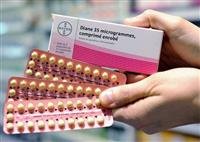
Morning-After Pill is one of the most popular birth control methods used by women, because it prevents emergency pregnancy, yet it has many side effects.
And the American website "Step to Health" mentioned in its report the next morning pills, also known as emergency contraception, which have become one of the most used methods of contraception in recent years thanks to its effectiveness.
It should be noted that many women do not have sufficient information about these pills, from their ingredients to their side effects. For this reason, the site tried to answer all questions and provide information related to these pills.
What is the emergency pill?
One of the emergency contraceptives, the next morning pill is mainly made up of a synthetic hormone called levonorgestrel. In general, the effectiveness rate of these pills ranges between 52% and 95%. However, under no circumstances should they be used continuously as a method of birth control because they may cause side effects on the body.
In fact, it is best to use it only once, or up to two times. Like other natural contraceptives, these pills do not protect against sexually transmitted diseases, as they only prevent pregnancy.
Mechanism of Action
Emergency contraception works by delaying ovulation, as it thickens the cervical mucus, preventing sperm from reaching the egg. The effect of these pills is better when taken during the first 24 hours of intimacy. Although its effect can extend up to 72 hours, it becomes less effective over time.
If you take these pills within 12 to 24 hours, they prevent pregnancy by 95%. If you take it after 48 hours, its effectiveness rate will decrease to 85%, and to 52% after 72 hours.
The pills work by preventing and delaying the release of the egg, preventing sperm from fertilizing the egg, and preventing implantation of the fertilized egg in the womb if the sperm penetrates the egg.
side effects
The site reported that taking the emergency pill can cause nausea and headache. These pills contain a hormone known as progesterone, which is produced naturally by the woman''s body but in small quantities, and its main task is to prepare the uterus to fertilize the fertilized egg.
Contraceptive pills contain more concentrated amounts of this hormone, as one pill is equivalent to 10 pills of regular birth control pills, so it is best to use it only in emergency situations.
Taking these pills causes many side effects, such as nausea, dizziness, fatigue and unusual vaginal cramps, and their use can lead to changes in the menstrual cycle.
Contraindications to the use of the emergency contraceptive pill
The site added that it is better to take emergency contraception only under medical supervision, due to its side effects and contraindications. Although it can be bought over the counter in many countries, it is best to consult with your doctor to evaluate your condition before taking it.
And you should definitely not take it if you are allergic to levonorgestrel or any of its other ingredients. Do not use this medicine if you have:
A satisfactory family history of ectopic pregnancy.
Inflammation of the fallopian tubes.
Severe liver problems.
Severe migraine
Cardiovascular diseases.
Crohn''s disease or ulcerative colitis.
Does emergency contraception cause miscarriage?
If you are pregnant and take the emergency pill, the pregnancy will continue. To date, there are no studies indicating that emergency contraceptives affect a fetus.