

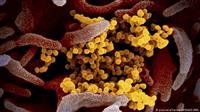
Coronaviruses are known for their ability to infect and damage the respiratory system in varying proportions. Some coronaviruses have similar effects to normal influenza, while others destroy lung cells and have claimed thousands of lives so far. Viruses are constantly evolving in an attempt to defeat the immune system and dominate the patient''s body, and there are many studies that show that the new corona virus does not stop the respiratory system, but it affects the heart and other critical organs such as the digestive system.
In this context, a recent study by scientists from the University of Washington School of Medicine showed that the emerging coronavirus can infect the cells of the digestive system, but it may not spread through the pings of patients. The study states that the virus is able to infect mature human intestinal cells in the small intestine, and researchers believe it may be related to the symptoms of diarrhea observed in many Covid-19 patients.
The study revealed two types of enzymes that help the virus infect cells of the gut. The study included observing the behavior of human intestinal cells implanted in a laboratory in liquids similar to those secreted in the human digestive system, and monitoring the ability of the virus to survive in these conditions, with an examination of samples of digestive excreta of patients with Covid-19.
Several reports previously published, after the emergence of the Covid-19 pandemic, indicated that about 50% of patients had symptoms including stomach cramps or diarrhea, loss of appetite and vomiting, even before symptoms of respiratory infection appeared.
This was a dangerous indication that drew the attention of researchers amid fears about whether the virus is able to spread among humans through toilets, and fears increased after studies revealed the presence of the genetic material of the virus in large quantities in the digestive trash of some infected people.
Hidden help
As reported in a previous report published in a science journal, titled How the Corona Virus Invades Our Cells, the protein (S) that forms the spinal bumps on the surface of the virus binds to the ACE2 receptor on the surface of human cells, in a preliminary step to enter the virus into the cell.
There is an ACE2 receptor on the intestine cells in abundance, accompanied by two types of enzymes that facilitate the process of entering the virus to the cell, says Siuan Ding, the author''s correspondent for the study, and associate professor in the Department of Molecular Microbiology, University of Washington School of Medicine in St. Louis, in an interview for "science": " In order for the virus to enter the cells of the intestine, it needs to be modified in protein (S), resulting in the appearance of a hidden part of the protein synthesis. This modification occurs with the help of TMPRSS2 and TMPRSS4 enzymes.
These enzymes belong to the "serine protease" family, a type of protein that stimulates the process of cutting protein in the amino acid (Serene) region. Shutting down this type of enzyme may be a promising strategy for treating Covid-19 disease, and fortunately there are already drugs that inhibit these enzymes as Camostat, which is a drug approved in Japan to treat pancreatitis. "Ding" indicates that the virus may use other types of enzymes, so it may be necessary to use more than one inhibitor to be an effective treatment.
After the virus enters the cell, it begins to harness it in its service and produce the proteins it needs to reproduce, before it starts to go out in search of a new host, and during that trip it must overcome the digestive juices secreted by the digestive system first, in order to remain active. It maintains its ability to cause infection.
Most viruses that infect humans with intestinal flu do not contain a fatty coating - such as the rotavirus - and this gives them a high ability to resist digestive secretions, and thus succeed in proliferating in the intestinal cells and out safely when the patient whose body invaded diarrhea is infected, to begin a new infection journey through Reaching another patient after eating food or drink contaminated with the virus, which is called the "oral anal path of infection."
To determine the ability of the emerging corona virus to survive digestion, Ding and his colleagues put it in several liquids similar in composition to secretions of the stomach and small and large intestine for specific periods, then they tried to isolate any remaining virus actively, that is, capable of causing infection, after exposure to those fluids And try to transplant it into cells inside the lab.
Does Corona survive digestion?
The researchers found that the new corona virus loses its ability to infection within minutes of its placement in a liquid similar to gastric secretions, which is characterized by high acidity, but in a liquid similar to the secretions of the small intestine, about 50% of the virus was tolerated for 24 hours and continued to be able to cause infection, While he lost his ability to infection after about 24 hours in the large intestine fluid.
Hazem Ghoneim, associate professor in the Department of Microbial Infection and Immunology at Ohio State University’s School of Medicine, said in his interview with the journal "For Science": "Although the study showed the ability of stomach secretions to kill the virus effectively, it can still successfully pass into the intestinal cells and reproductive Inside it has a noticeable percentage of patients, and this is affected by the health of the patient''s stomach. For example, patients who take antacids, as well as how quickly the virus passes - especially if it is transferred in high doses - into the intestine. "
When you develop diarrhea, food passes into the intestine faster, which reduces the time the virus is exposed to digestive juices and increases the chances of it escaping and leaving it with waste.
The researchers examined 10 stool samples from people with Covid-19 in an attempt to isolate the virus, but they were not able to do so, although its genetic material was present in three of those samples.
Some believe that the small number of samples used in the study is considered its most prominent weakness, according to Mohamed Bahy El-Din, Assistant Professor in the Department of Microbiology and Immunology, Faculty of Pharmacy, University of Alexandria, in his statements to "science": "Ten samples are very few that are not sufficient to give results." Crucially, while researchers have not been able to grow the virus from stool samples, there are studies that have managed to do so.
A Chinese study - conducted at the National Institute for Viral Disease Control and Prevention in Beijing - confirmed that the virus was isolated from samples of litter of Covid patients -19, and another study conducted by the Zhejiang University of China in cooperation with the same institute said that the stool of patients may be a cause of infection .
Ghoneim agrees with that, saying: "The study did not clarify whether or not the patients had diarrhea at the time of the sampling, as well as the duration and severity of symptoms, those factors may be important for the accuracy of the results."
He also pointed to another weakness, is the use of fluids similar to the digestive juices, which may be identical to the actual fluids in healthy people, but may differ in their effect when developing diarrhea. Bahy El Din also agrees, noting that the presence of food in the organs of the digestive system may protect the virus from digestion.
Do we think twice before using any toilet?
Researchers were able to isolate the SARS virus that spread in 2003 from patient waste, and the World Health Organization (WHO) released a report saying it could be transmitted through wastewater. Therefore, the report stressed the importance of using appropriate plumbing systems for wastewater disposal. Bahy El Din believes that washing hands after using the toilet and disposing of wastewater is crucial. "The virus can spread when a patient touches contaminated surfaces after using the toilet and has not cleaned his hands well," he says.
While there is no definitive evidence yet of Covid-19 disease spreading through toilets, Ding notes that keeping the toilet lid closed when draining water is generally a good practice, and helps prevent the spread of other intestinal pathogens, such as rotavirus, norovirus and salmonella. .
"When the Covid-19 pandemic began, recommendations to wear a face mask were limited to patients and health care workers, and not all countries tended to apply social divergence, and now there are strong recommendations for everyone to wear a face mask and commit to social divergence," says Bahi El Din.
Study researchers are now planning to continue research in order to assess whether underlying conditions for diseases such as inflammatory bowel diseases may affect clinical outcomes for Covid-19 patients. Which confirms the importance of "Bahy El Din" by saying: The study "deals with a research point that may affect strategies to control the emerging corona virus."


