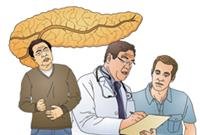
The pancreas is a gland behind your stomach and in front of your spine. It produces juices that help break down food and hormones that help control blood sugar levels. Problems with the pancreas can lead to many health problems. These include
• Pancreatitis, or inflammation of the pancreas: This happens when digestive enzymes start digesting the pancreas itself
• Pancreatic cancer
• Cystic fibrosis, a genetic disorder in which thick, sticky mucus can also block tubes in your pancreas
The pancreas also plays a role in diabetes. In type I diabetes, the beta cells of the pancreas no longer make insulin because the body's immune system has attacked them. In type II diabetes, the pancreas loses the ability to secrete enough insulin in response to meals.
INTRODUCTION
Pancreatitis is a rare disease that causes the pancreas to become inflamed. Though rare, thousands of people have acute pancreatitis every year.
Pancreatitis begins as acute pancreatitis; if not treated, it can become a permanent condition called chronic pancreatitis. Pancreatitis is a serious condition that can lead to severe complications and even death if it goes untreated.
This patient education lesson will help you understand both acute and chronic pancreatitis and their treatment options.
ANATOMY
The pancreas is a large gland behind the stomach.
The pancreas secretes digestive enzymes that enter the small intestine through the pancreatic duct. Digestive enzymes help the body digest food so it can be absorbed in the small intestine.
The pancreatic duct connects to the common bile duct. The common bile duct also carries bile that comes from the gall bladder and liver.
After traveling through the common bile duct, digestive enzymes and bile arrive at the duodenum, the first part of the small intestine.
In the intestines, digested food is absorbed into the blood stream.
The body has to keep the right level of sugar in the blood. Very high or very low sugar levels can lead to coma. A hormone called insulin controls the level of sugar in the body. Hormones are substances in the blood stream that control our body functions.
The pancreas makes insulin.
The pancreas has 2 main responsibilities
digest the food we eat
regulate our blood sugar levels
PANCREATITIS
Pancreatitis is a rare disease that causes the pancreas to become inflamed.
Damage to the pancreas occurs when pancreatic digestive enzymes begin attacking their own cells.
In severe cases of pancreatitis, pancreatic damage could lead to bleeding, serious tissue damage, infection, and cysts.
An inflamed pancreas could cause enzymes to enter the bloodstream and reach the heart, lungs, and kidneys, causing more damage.
There are 2 forms of pancreatitis
acute pancreatitis
chronic pancreatitis.
Acute pancreatitis happens suddenly and may be a severe, life-threatening illness with many complications. Patients are usually able to recover from acute pancreatitis.
Chronic pancreatitis happens if damage to the pancreas continues after acute pancreatitis has occurred. An example of this would be an acute pancreatitis in a patient that continues to drink alcohol. This continued alcohol consumption would keep damaging the pancreas.
Chronic pancreatitis causes severe pain. It also causes the pancreas to function poorly, which causes weight loss, diabetes, and affects digestion.
The following sections discuss acute and chronic pancreatitis separately.
ACUTE PANCREATITIS
Hundred of thousands of cases of acute pancreatitis occur in the world each year. This disease occurs when the pancreas suddenly becomes inflamed and then gets better.
Some patients have more than one attack of acute pancreatitis but recover fully after each one.
Alcohol abuse and gallstones are the 2 most common causes of acute pancreatitis. Other causes include the use of prescribed drugs, trauma or surgery to the abdomen, or abnormalities of the pancreas or intestine.
In rare cases, acute pancreatitis could result from an infection, such as mumps.
Acute pancreatitis usually starts with pain in the upper abdomen that lasts for a few days. The pain is often severe and sometimes constant. The pain could be just in the abdomen or it may reach to the back and other areas.
Acute pancreatitis pain may be sudden and intense, or it may start as a mild pain and get worse after eating. The abdomen may be swollen and very tender.
Patients with acute pancreatitis usually look and feel very sick. Other symptoms of acute pancreatitis may include
nausea
vomiting
fever
increased pulse rate
About 20% of acute pancreatitis cases are severe. Patients may become dehydrated and have low blood pressure. Sometimes the heart, lungs, or kidneys fail.
In the most severe cases of acute pancreatitis, bleeding may occur in the pancreas, leading to shock and sometimes death.
DIAGNOSIS & TREATMENT-ACUTE PANCREATITIS
During acute attacks of pancreatitis, the blood has high levels of digestive enzymes in it. The blood may also have high levels of other important chemicals such as calcium, magnesium, sodium, potassium, and bicarbonate.
Acute pancreatitis patients may also have high amounts of sugar and lipids, or fats, in their blood. These changes help the doctor diagnose pancreatitis. After the pancreas recovers, blood levels of these substances usually return to normal.
Treatment for acute pancreatitis depends on how bad the attack is. Unless complications occur, acute pancreatitis usually gets better by itself with treatment.
Usually the patient goes into the hospital during a pancreatitis attack. The doctor prescribes fluids by vein to restore blood volume. The kidneys and lungs may be treated dialysis or a respirator to prevent failure of the organs.
Sometimes a patient cannot control vomiting and needs to have a tube through the nose to the stomach to remove fluid and air. In mild cases, the patient may not have food for 3 or 4 days but is given fluids and pain relievers by vein.
An acute attack of pancreatitis usually only lasts a few days, unless gallstones block the common bile and pancreatic ducts. These stones are taken out through a scope.
The gallstones are removed using a scope threaded through the mouth down to the common bile duct. This procedure is called ERCP, which stands for endoscopic retrograde cholangiopancreatography.
In severe cases of acute pancreatitis, the patient may need to be fed through an IV for 3-6 weeks while the pancreas heals.
If signs of infection show up, antibiotics are given.
If complications such as infection, cysts, or bleeding occur, the doctor may need to do surgery to
remove the gallbladder
eliminate the possibility of other abdominal problems that can imitate pancreatitis
remove cysts in the damaged pancreas
remove dead tissue
After all signs of acute pancreatitis are gone, the doctor will figure out what caused it and try to prevent further attacks. Sometimes the cause is clear, but other times, more tests need to be done.
CHRONIC PANCREATITIS
Chronic pancreatitis has many causes but 70-80% of cases are due to chronic alcohol abuse. It is more common in men than women and often develops between 30 and 40 years of age.
Chronic pancreatitis could develop after only one acute attack, especially if the pancreatic ducts get damaged. Damage to the pancreas from drinking alcohol may cause no symptoms for many years, and then the patient may suddenly have a pancreatitis attack.
Some forms of chronic pancreatitis are inherited. These forms are due to abnormalities of the pancreatic enzymes, which cause them to eat away at the pancreas.
In early stages of pancreatitis, the doctor cannot always tell whether the patient has acute or chronic pancreatitis. The symptoms may be the same. Patients with chronic pancreatitis tend to have 3 kinds of problems:
pain
malabsorption of food, leading to weight loss
diabetes
Some patients do not have any pain, but most do. Pain may be constant in the back and abdomen, and for some patients, the pain is disabling.
In some cases of chronic pancreatitis, the pain goes away as the condition advances. Doctors think this happens because the pancreas is no longer making pancreatic enzymes.
Patients with chronic pancreatitis often lose weight, even when their appetite and eating habits are normal. This happens because their bodies do not secrete enough pancreatic enzymes to break down food, so nutrients are not absorbed normally.
Poor digestion leads to loss of fat, protein, and sugar into the stool. Diabetes may also develop at this stage if cells that make insulin in the pancreas get damaged.
DIAGNOSIS & TREATMENT-CHRONIC
Diagnosis of chronic pancreatitis is difficult but several advanced medical techniques are available. Pancreatic function blood tests help the doctor decide if the pancreas can still make enough digestive enzymes.
The doctor can see abnormalities in the pancreas using imaging techniques to look at structures inside the body. Examples of these include
Ultrasound
ERCP (Endoscopic Retrograde Cholangiopancreatography)
CAT scans
In more advanced stages of chronic pancreatitis, when diabetes and malabsorption occur, the doctor can use blood, urine, and stool tests to help make a diagnosis.
Chronic pancreatitis is treated by relieving pain and managing nutritional and diabetic problems.
Patients can reduce the amount of fat and protein lost in stools by cutting back on dietary fat and taking pills that contain pancreatic enzymes. This will result in better nutrition and weight gain.
Sometimes insulin or other drugs are given to control blood sugar.
In some cases of chronic pancreatitis, surgery is used to relieve pain by draining an enlarged pancreatic duct. Occasionally, part of the pancreas is removed to relieve pain.
SUMMARY
Pancreatitis is an inflammation of the pancreas, a very important organ of the body. It may start as an acute disease and develop into a chronic one.
Thanks to medical advances, several treatment options are available to help manage and prevent painful attacks. If not treated, pancreatitis can be life threatening.
Treatment also depends on healthy living habits, such as avoiding alcoholic beverages and decreasing the amount of fatty foods.
With proper treatment, people with pancreatitis can live a healthy life and avoid recurring pain and possible complications!