the Family Doctor
Countries of the world celebrate the International Day of the Family Doctor, as the World Health Organization has designated a world day to celebrate the family doctor on the nineteenth day of May of each year starting from this year 2013. The countries have decided, through the World Health Organization, that there be a global celebration of the family doctor for the importance of this Specialization and its growing role in community service through the primary health care system, which will be a family medicine team led by the family physician and his membership of auxiliary medical specialties (nursing & pharmacy & nutritionist & physiotherapist).
The World Organization of Family Doctors looks to the world''s population to have a family doctor per 1,000 people. This figure has reached some developed countries such as Canada, Australia and some Scandinavian countries, while in other countries the ratio has reached a family doctor per 1500 people in Britain and Italy.
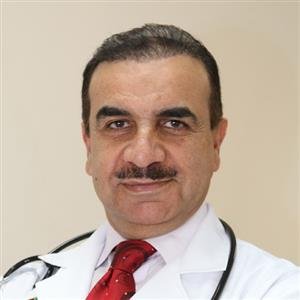
Professor Faisal Abdel-Latif Al-Nasser, professor of family medicine and head of the Scientific Council for Family and Community Medicine at the Arab Council for Health Specializations, stated that family medicine should be the base of the pyramid for health services available to citizens in any country where scientific studies have shown that countries that have adopted the primary health care system and family medicine have Negative health indicators decreased, while the general level of health, whether developing or developed countries, increased.
In order to achieve this demand, the countries must adopt positive policies in applying the family medicine system in them and work to increase the number of specialized family doctors so that the percentage of citizens per family doctor does not exceed 1800 citizens for each doctor and a doctor system for each family, knowing that there is a severe shortage in countries Arabic in the training programs that graduate qualified family doctors, as the Arab world needs 170 thousand family doctors at the present time in relation to its population.
In addition to the increase in the overall health rate when applying the family medicine system, the cost of health care is much lower than if a system based on precise specialties and secondary care was implemented.
Therefore, the developed countries realized this factor and began to attract the family medicine system even in those developed countries that were not convinced, such as the United States of America, where medical colleges began applying the concept of the graduate, who is aware of the reality of society and the diseases spread in it.
The International Day of Family Medicine reflects the interest of the World Health Organization in this specialization as a specific day was devoted to it so that everyone''s attention is drawn to the importance of this specialization and the results from its application, but these are not measured by application, which means providing continuous and sustainable health care.
Health care undoubtedly starts from preventive measures that protect people and protect them from diseases, and care for pregnant women and children in treatment programs.
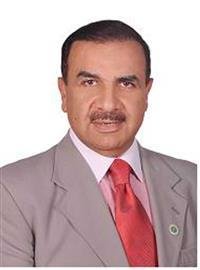
In this regard, Professor Dr. Nabil Yassin Al-Qurashi, Professor of Family Medicine and Head of the Regional Office of the International Organization of Family Physicians for the Eastern Mediterranean Basin, states that family medicine has become one of the international quality standards and standards by which the civil and health level of society is measured, and that what is called proportionality and proportion between the population and the number of doctors Originally, this means the population of each doctor.
Therapeutic care includes early diagnosis and treatment of the disease so that people do not have complications such as diabetes, pressure, and kidneys that damage the arteries, nerves, eyes, heart, and kidneys.
Prof. Al-Qurashi stressed the necessity and importance of the comprehensive health care project. His Excellency also made clear that developmental care means the development of society, such as health awareness, encouraging people to practice sports and physical exercises, and providing stadiums and places that help to exercise them in a correct, safe and sound manner.
There is no doubt that the family physician, in addition to his multiple responsibilities, will play an important role in evaluating healthy and nutritional behavior and guiding him away from wrong and dangerous practices and habits such as smoking, drug use and alcohol consumption.