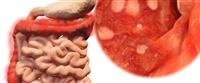

Internal diseases are disorders that affect the body’s organs, such that they hinder or prevent them from performing their function, causing symptoms that indicate them. It varies according to the affected organ and the severity of the injury. It often affects the organs and digestive system. Esoteric diseases are famous and varied, as they affect the vast majority of people, which makes it easier for the patient to choose the appropriate clinic for review. Internal medicine compared to other medical specialties.
The most common internal diseases
Pharyngitis: These are disorders that affect the pharynx canal and are associated with oral diseases. Because of its proximity to it and its contact with it, mouth diseases are often a cause of pharyngeal diseases, as they cause: coughing, loss of appetite, and difficulty swallowing.
Esophageal infections: irritation of the pharynx canal Due to injury to esophageal tissue This is due to the accumulation of inflammatory cells in the esophageal canal, where many of the symptoms are the most important of them: heartburn, difficulty swallowing, high temperature, nausea, and may cause sore throat and hoarseness.
Stomach diseases: represented by infections of the stomach wall and membrane in the form of irritation As a result of multiple factors, causing pain that varies depending on the state of irritation, especially if this leads to erosion in the stomach wall, which is called stomach ulcers, causing many symptoms: such as bleeding, severe pain, and nausea, and nausea. In some cases, chronic diarrhea leads to dehydration.
Small intestine infections: It is similar to stomach diseases and symptoms, and it is associated with many general diseases that are classified as internal diseases.
Colon inflammation: It occurs when the inner colon walls become infected due to many factors: ulcerative factors, nervous factors, viral, bacterial or parasitic infections in cases of food poisoning, or poor blood perfusion to the colon Where these infections are accompanied by many of the common and widespread symptoms among many people with these infections such as: feeling flatulence, tension and psychological anxiety, diarrhea and dehydration accompanying, high body temperature, the presence of blood in the stool, and a feeling of chills back.