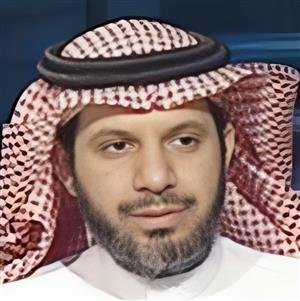

Dr. Khaled bin Hassan Al-Malki Phoniatrics is a medical specialization concerned with diseases of voice, language, speech and swallowing (UEP). This medical specialty was born in 1905 when Herman Gutzman, the father, who is the first professor doctor in speech medicine, gave a lecture entitled (Speech Disorders as Object of Clinical Teaching) at the University of Berlin, and this medical specialty began under the name (Phoniatrics) from Berlin (Hermann Gutzmann, Jr.) and Vienna (Emile Forschels) since 1920 AD and then spread to Europe and the rest of the world, and currently this specialty officially sponsors the Association The International Physicians and Speech Professionals (IALP) held its first meeting in Vienna in 1924.
Understanding the nature of this medical specialization and the nature of its existence differs originally from one country to another. In countries such as Germany, Sweden and Egypt, conversational medicine stands as a separate medical specialty, but in many countries it is hardly known, and this specialization takes root from mainly ear, nose and throat specialization in addition to other specialties. Like psychiatry and neurology 1.
As previously, speech medicine is concerned with four branches, the first of which are Voice Disorders with its various types and its three causes: organic diseases of the voice, such as paralysis of vocal folds, inorganic sound diseases such as vocal weakness, and minor lesions associated with hoarseness of the voice such as the fusion of the ropes (vocalized ropes) vocal, Vocal diseases are evaluated by several methods, the most important of which is the laryngostroboscopy. These diseases are treated with Voice Therapy sessions, with surgery, or both.
The second branch of specialization is Language Disorders and its two main types: Delayed Language Development in Children and Dysphasia in Adults. Delayed language development in children causes several diseases or disorders, including: Cerebral Palsy Mental Retardation, Autism, ADHD, Hearing Impairment, as well as language development delay of unknown cause, and may be accompanied by other diseases and disorders such as learning disability Language diseases and disorders are treated with Language Therapy sessions, drug therapy in some cases, and specific devices such as hearing aids in cases of hearing impairment.
The third branch is Speech Disorders with its five main types: Stuttering, Cluttering, Hypernasality, Misarticulation or Dyslalia, and Dysarthria, and addresses speech disorders and disorders with sessions. Speech Therapy or surgery in some cases.
The fourth branch of speech medicine is Swallowing Disorders, and it is evaluated by several methods, the most important of which are the nasopharyngoscopy (FEES) and fluoroscopic examination (MBS). These diseases are treated with swallowing Therapy, with medication, or with surgery in some cases.
It is undoubtedly that diseases and health disorders of any type need competent doctors to deal with evaluation and treatment, and diseases and disorders of speech are no exception, and speech and swallowing patients are no less than others, the doctor is the most capable of understanding the true pathogens, which is the most knowledgeable of human anatomy and functions Its members, which is the most capable of dealing with patients based on its scientific medical background, is qualified to examine medical perspectives, and also qualified to deal with drugs and study and study their effects and therapeutic and medical uses, and the fact that most of the current therapeutic interventions in speech diseases do not depend on drugs or surgery does not eliminate the need To physicians, because we currently do not know much about speech physiology - higher brain functions that no other living organism shares with humans - does not mean that modern medicine cannot discover in the near future suitable drugs to treat speech diseases and its causes, as happened in years ago. For Psychiatry, this will only be done by conducting repeated scientific studies on medicines and other treatment methods.
Dr.. Khalid bin Hassan al-Maliki
Consultant and assistant professor of speech and audio medicine
Head of the Speech and Swallowing Diseases Unit
Deputy Head of the Department of Ear, Nose and Throat
King Abdulaziz University Hospital in Riyadh
King Saud University