treatment
Children''s bones differ from adults in that they contain growth centers responsible for bone growth and increasing their size, and this continues until a person reaches adulthood (11 to 18 years). This difference is also accompanied by the fact that the bone size in children is smaller than in adults.
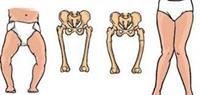
And bone disease in children can be the result of birth defects, such as deformities of the claw-foot and dislocated hip.
It can be the result of infections such as pleural bone infections that affect the growth centers of the shoulder or thigh joint, or diseases of nerve injuries during childbirth, such as a lack of oxygen in the brain or nerve plexus injuries in what is known as the birthplace. It can also be the result of fractures or accidents that affect the growth center or the result of a benign or malignant tumor that affects the bone and causes its erosion.
Treatment of bone diseases in children
Treatment of these diseases must be done by a doctor who specializes in repairing deformities and children''s bones, and the evaluation of the condition should be by medical examination and some radiology and analysis to determine the cause of the disease and the treatment plan, and on the basis of this the treatment plan is determined and implemented
It is important for the family and the doctor to note that attention to detail in treatment and treatment dates is very important and requires cooperation and communication between the doctor and the family. In some cases, a rapid surgical intervention must take place, while in other cases the delay in the surgical intervention and the urgency should not be until the child reaches the appropriate age. Therefore, choosing the appropriate timing for the intervention is very important in addition to the experience of the attending physician and the cooperation between the doctor and Family and continuous follow-up.
Usually surgery, gypsum, or drug therapy are part of the treatment, but physical therapy, rehabilitation, and pediatrician cooperation must also be provided to ensure the child returns to normal life without any disability.