Biotinidase Deficiency is a rare inherited disease whereby the body cannot process the vitamin biotin normally. This deficiency can be spotted as part of newborn blood screening tests. Biotin helps the body to use and get rid of fat, carbohydrates and protein. Early symptoms of biotinidase deficiency include:
seizures
poor muscle tone
breathing problems
hair loss
redness of the eyes
blindness
Poor muscle coordination and delays in development may occur over time. If left untreated, biotinidase deficiency can cause damage to the brain, skin, inner ear and eyes, as well as the immune system. Biotin supplements can provide the body with the biotin it needs. If treatment begins before the symptoms occur, children rarely develop any symptoms. Children with symptoms of biotinidase deficiency improve with the recommended supplemental dose of biotin. If permanent damage to organs has occurred, such as hearing loss, this cannot always be corrected with treatment. However, the damage does not get worse once supplements take effect. Biotin supplements must be taken daily for the entire lifespan.
INTRODUCTION
Biotinidase deficiency is an inherited disease where the body cannot process the vitamin biotin normally. It can cause many health and development problems if not treated.
Biotinidase deficiency is rare. Only about 1 out of 60,000 babies is born with it. Babies can be checked for biotinidase deficiency with a blood test right after they are born. If a baby has biotinidase deficiency but is treated before symptoms appear, health problems will probably not develop.
This health education tutorial explains
what biotinidase deficiency is
what causes it
how it is diagnosed
ways to treat it and
complications it can cause.
WHAT IS BIOTINIDASE DEFICIENCY?
Biotinidase is an important enzyme in the body. Enzymes are special proteins the body makes that allow chemical reactions to occur. Enzymes that work correctly are “active” or “have activity.”
Biotinidase separates the vitamin biotin from protein it is attached to so biotin can do its work. After biotin breaks free from protein it is called free biotin. People with biotinidase deficiency do not have enough biotinidase activity. Biotin that remains attached to protein does not work properly in the body.
The body needs biotin to use and get rid of fat, carbohydrates and protein. Biotin that comes from foods is attached to protein and cannot be used by the body. When there is not enough biotinidase activity, biotin cannot detach from protein. This results in harmful by-products collecting in the body.
Without enough biotinidase activity, the body needs a lot more free biotin than what it gets from a normal diet. When this is not available, health problems usually result.
Biotinidase deficiency can be partial or severe. A person with biotinidase deficiency usually has less than 10% of normal biotinidase activity. Sometimes there is almost no activity at all. Having less than 10% of normal biotinidase activity is called severe biotinidase deficiency. When a person has 10-30% of normal biotinidase activity, he or she has partial biotinidase deficiency.
Biotinidase deficiency is treated with biotin supplements. The supplement contains free biotin that is not bound to protein so the body can use it.
COMPLICATIONS
Without biotin supplements, children with biotinidase deficiency may develop symptoms that vary in severity. The worse the deficiency is, the more severe the symptoms are. Symptoms usually appear between three and six months of age, but may appear as early as one week of age or as late as ten years of age.
Early symptoms of biotinidase deficiency often include various types of seizures and poor muscle tone. Other early symptoms include:
breathing problems
skin rashes
hair loss
redness of the eyes
blindness
Poor muscle coordination and delays in development usually happen later. The immune system is also affected, making it easy to get fungal and bacterial infections. Abnormal substances often accumulate in the urine. Hearing loss and a variety of eye problems may develop.
The symptoms of biotinidase deficiency can cause damage to important organs like the brain, skin, inner ear and eyes. They may even be life threatening. Some untreated infants and children have died from this disorder.
An untreated child with partial deficiency is usually healthy. However, symptoms can show up when the child’s body is weak from an infection or poor diet.
NEWBORN SCREENING
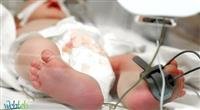
A baby is usually diagnosed with biotinidase deficiency after a newborn screening, before symptoms develop.
All 50 states in the United States and many other countries require newborn screenings. However, not all newborn screenings include testing for biotinidase deficiency.
For newborn screening, the heel of the baby is pricked after birth, usually just before the baby goes home from the hospital. The blood is put on filter paper cards, dried and sent to a laboratory for testing. The blood from one card can be used to screen for several different diseases. To screen for biotinidase deficiency, the activity of biotinidase in the dried blood is measured.
If test results come back abnormal, the test may be repeated or confirmed by measuring biotinidase activity in the serum or plasma from another blood sample.
If you live in a state or a country that does not perform biotinidase screening on newborns, or if your child was not born at a hospital, there are laboratories that will perform the screening for you.
DIAGNOSIS
Babies with biotinidase deficiency are usually diagnosed by a newborn screening before symptoms develop.
If a child was not screened for biotinidase deficiency at birth, he or she would have to be diagnosed after symptoms of biotinidase deficiency appear. Children diagnosed this way may have medical problems for a while before doctors suspect the correct cause.
Once biotinidase deficiency is suspected, a blood sample is sent to a laboratory to measure the activity of biotinidase. Urine tests can also confirm the diagnosis.
After diagnosis, a variety of medical examinations are done to find any health problems that might have been caused by biotinidase deficiency. This includes eye, ear and mental examinations.
TREATMENT
People with biotinidase deficiency cannot rely on naturally occurring biotin from their diets. For successful treatment, they need free biotin supplements.
The recommended dose of free biotin is 5-20 milligrams per day taken by mouth, which provides the body with the free biotin it needs. This size of dosage is 10 to 20 times more than the Recommended Dietary Allowance.
Children with biotinidase deficiency, who are treated before symptoms occur, rarely, if ever, develop any symptoms from the disorder.
All children who develop symptoms of biotinidase deficiency improve when treated with recommended doses of biotin. The biochemical abnormalities, seizures, poor muscle tone and skin rash usually improve quickly. Hair begins to grow back over a period of weeks to months.
Other symptoms including hearing loss, visual impairments and developmental delays cannot always be corrected with treatment. Organs can become permanently damaged before treatment begins. However, they do not keep getting worse. With treatment, biotinidase deficiency is not a life threatening condition.
GENETIC CAUSES
Biotinidase deficiency is inherited, which means children get the gene from their parents. This section explains the genetic basis of biotinidase deficiency.
Genes tell the body to make certain substances. Every person has thousands of genes. Our genes make us look the way we do. They also have a lot to do with our health.
Each person has 23 pairs of chromosomes. Genes are found on the chromosomes. The gene for biotinidase deficiency is on chromosome 3. This gene is responsible for making the enzyme biotinidase.
The biotinidase gene either works correctly or it is defective. We will call the good biotinidase gene that works correctly N for normal. We will call the defective gene that does not work correctly “d” for defective.
Everybody has 2 biotinidase genes: 1 from their father and 1 from their mother. If both biotinidase genes are defective d genes, the person has biotinidase deficiency.
The good N gene is stronger than the defective d gene. Therefore, if a person has at least one N gene, he or she does not have biotinidase deficiency.
An NN person does not have a biotinidase deficiency at all.
An Nd person does not have a biotinidase deficiency but carries the defective d gene. This is a biotinidase deficiency carrier.
A dd person has biotinidase deficiency.
When a couple has a baby, each parent gives 1 of their 2 biotinidase genes. Which gene the baby gets from each parent is random.
If both parents are NN, their child will not have a biotinidase deficiency. Each parent can only give an N gene, causing his or her child to be NN also.
If both parents are dd, which is a rare occurrence, their child will definitely have a biotinidase deficiency. Each parent can only give a d gene, causing their child to be dd also.
If one parent is NN and the other is Nd, their child has a 50% chance of being an Nd and 50% chance of being NN and no chance or 0% chance of being dd. Since an Nd is only a carrier, they will never have a child that has biotinidase deficiency, which is dd. The NN parent will always give a good N gene.
If both parents are Nd, their child has a 1 in 4 chance of having biotinidase deficiency or dd. In 2 out of the remaining 3 chances, the child will be a carrier (Nd).
It is important to remember that each time this couple has a baby, there is the same chance of the baby having biotinidase deficiency. In other words, the couple’s first baby has a 25% chance (or 1 in 4) of having biotinidase deficiency and any other babies they have will have the same chance.
If you have biotinidase deficiency in your family, all of your other children should be tested for this genetic disease, even if they do not have any symptoms. This will identify children who are only mildly affected or have not yet developed symptoms. Biotin treatment can then be started.