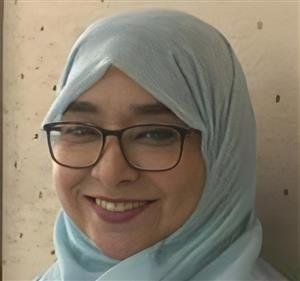

The coordinator of the Breastfeeding Program, Dr. Manal Khorshid, affirmed the high awareness of the importance of breastfeeding among Saudi women over the past four years, and she said in an interview to "Life", "The rate of Saudi mothers'' demand for breastfeeding increased to 55 percent in primary health centers, according to statistics Initially, while it was previously "before the program to encourage breastfeeding" and has been in use in health centers four years ago, the rate of "natural and industrial" mixed breastfeeding was 31 percent in primary health care centers in Jeddah. Dr. Khurshid made the statements on the sidelines of the closing ceremony of the activities of the breastfeeding program organized by the management of the primary health centers in Jeddah Governorate, which coincided with the events of this week''s World Breastfeeding Week, which were held under the slogan "Monitoring the Code".
Khorshid stated that "the organization of the program comes within the framework of the Saudi Ministry of Health''s concern for the importance of breastfeeding for children, and the development of its practice, especially since international studies have confirmed that it protects the child from many diseases that result from industrial breastfeeding."
According to Khurshid, breastfeeding has many negative effects on the health of the child, including those associated with the process of industrial feeding, and others that affect the health of the child in the long run. "Among the health problems that accompany the process of artificial feeding are increased cases of diarrhea in newborns, as well as respiratory infections, allergies, and eczema, asthma," she said.
"Also, artificial feeding has a number of negatives and health problems that affect children in the long run such as obesity, type 1 diabetes, hypothyroidism and ulcerative colitis, dental deformities and the problem of speech and speech, along with the possibility of lymphoma."
Khurshid stresses that breastfeeding positively affects the child''s level of intelligence, as studies have shown that children who are artificially breastfed have less intelligence than children who were breastfed.
Khorshid explained that breastfeeding has many positive effects on the health of the mother, as it works to protect the mother from breast or ovarian cancer, as well as infection with osteoporosis and helps reduce the size of the uterus after birth. At the same time, she assured that there is no relationship between breast cancer and the mother’s practice of artificial breastfeeding, especially since the causes and factors of this disease are not related to the breastfeeding process.
And on choosing the slogan "Protecting breastfeeding under the blog". Khurshid said, "The global emblem was developed by the World Health Organization, and aims to develop the practice of breastfeeding, to reduce deaths and diseases in newborns and children." She added, we are working in primary health centers to support and encourage breastfeeding, since the beginning of establishing the basic rules for the program to encourage breastfeeding, especially since the topic of breastfeeding was covered for part of the simple awareness of mothers in the departments of maternity and childhood.
She noted in her speech that the program aims to train mothers on breastfeeding and sensitize them to their benefits for the child, especially since breast milk differs according to the child''s need for it, as studies have shown that breast milk for a premature baby is different from breast milk for a full-grown child, and she said, "Dependence To exclusively breastfeed for a period of six months and then provide appropriate and safe complementary feeding with continued breastfeeding for a period of two years or more, which is the basis of healthy feeding for the infant.