In order to understand how we hear you must first know that sounds are invisible vibrations transmitted through the air. When someone talks, leaves are shaken, the phone rings, or anything else makes a "sound", it vibrates through the air in all directions. This is known as sound waves.
Almost every sound wave is unique. This is why every person or thing looks different - just as it doesn''t always come out of something or someone the same. Some sound waves are high, low pitch, looser or smooth.
When our ears pick up sound waves, they transform them into messages that the brain can understand. How well it is captured and how clear it is when it is sent to the brain depends on how well our ears operate.
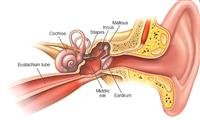
Sections of the ear
There are three important parts of the ear
The outer ear - It picks up sound waves and directs them to the middle ear.
Middle ear - It converts sound waves in the air into mechanical pressure waves and then directs them to the inner ear fluids.
The inner ear (cochlea) - converts pressure waves into sound signals that the brain can understand.
In order for us to hear in a normal way, each part must function in the correct manner.
How is the process of normal hearing
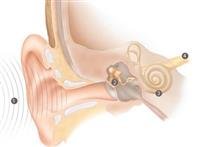
Sounds enter the ear canal.
Sound waves travel through the ear canal and impact the eardrum.
The eardrum and hearing bones vibrate
These sound waves vibrate the eardrum and the three great bones in the middle ear.
The fluid travels through the inner ear
These vibrations are transmitted through the fluid in the inner spiral ear - known as the cochlea - and it moves the delicate auditory capillaries in the cochlea. These auditory capillaries detect movement and convert it into the auditory nerve as chemical signals.
Hearing nerves end in the brain
The auditory nerve then sends information to the brain via electrical impulses, where it is translated into sounds.
If you suspect your child has a hearing problem, please contact the nearest clinic or an audiologist.