
The Kingdom of Saudi Arabia participated with the world in celebrating the World Sleep Day for the fourth time represented by the Sleep Medicine and Research Center of King Abdulaziz University Hospital in Jeddah in conjunction with the Jeddah Sleep Medicine Club, under the slogan “A sound sleep .. for a prosperous life”, which was approved on March 17th this year. To celebrate a full day through various activities in which the public and the people of Jeddah participated in one of the major commercial centers.
This global awareness event included a variety of activities, including discussions and information about sleep and its disorders, meetings with specialists in sleep disorders centers, and giving real-time directions to visitors about their complaints of symptoms of sleep disorders, including snoring, poor sleep, sleep apnea syndrome, chronic insomnia, vital clock disorders, and movement disorders And behavior during sleep, such as walking, speaking and acting out dreams during sleep, in an easy and clear language, and some information about the most important sleep disorders that cause poor harmony in sleep between spouses and some intimate problems, such as restless legs syndrome and chronic snoring, as well as many and varied pillars of scientific education, such as the counseling corner Health and general advice and advice corner, in which a number of consultants and doctors specializing in sleep disorders were present, and awareness leaflets were distributed to visitors about the most prominent sleep problems and how to avoid them, in addition to how to communicate with the center to benefit from its services.
The celebration of the World Sleep Day comes within an annual initiative called for and organized by the "World Association of Sleep Medicine" with the participation of 72 countries and a large number of specialists in the field of sleep medicine around the world, with activities aimed at increasing individual and institutional awareness of the link between healthy sleep and contemporary lifestyle and the negative impact of the various sleep disorders that affect 45% of the world''s population, on quality of life, mental and physical health.
The main statement of the World Sleep Day emphasized the danger of excessive sleep and chronic deprivation of it on health and quality of life, and the possibility of mitigating its dangers by spreading sound awareness among members of the general community and health practitioners, and devoting the concept of prevention and cure of more than 100 types of sleep disorders by specialists in sleep medicine Examples include sleep apnea, which affects about 24% of men and 9% of middle-aged women to varying degrees, and it is associated with many risk factors, the most important of which are being overweight, high blood pressure, falling throat, smoking, and others.
The World Sleep Medicine Association for the year 2017 raised the slogan “A healthy sleep .. for a prosperous life” to promote World Sleep Day and signify the need to pay attention to the diagnosis and treatment of any symptoms associated with poor or poor sleep as poor, interrupted sleep and chronic insomnia that affects between 30 to 45% of adult individuals, due to its association Injury and deterioration of some chronic diseases such as high blood pressure, cardiovascular disease, diabetes, obesity, mood disorders, appetite, behavior and increased sleepiness during the day, in addition to the high risk of exposure to car accidents. Although most sleep disorders are preventable and treatable, less than a third of people with them seek help and treatment.
In addition to promoting a healthy life, sound sleep is associated with increased feelings of happiness and self-confidence, higher job performance and quality of work, and avoiding symptoms of stress, anxiety, depression and marital problems.
Statistics reported that three out of four adults in American society wake up from sleep repeatedly during the night, or that they suffer from snoring, as a questionnaire included a sample of American women showed, 50% of them complained of poor sleep in a chronic manner, and snoring and apnea syndrome During sleep, the most important factors that cause an imbalance in the harmony of sleep between couples, but sleep habits and rituals, the preference for a certain temperature, the nature of sleep (light or heavy), the incidence of unstable legs syndrome, behavior disorders such as walking and the representation of dreams (kicking and talking) during sleep, In addition to chronic insomnia, they all cause the same disorder, to varying degrees.
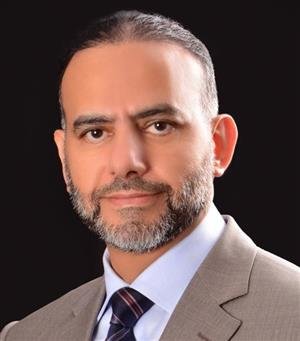
Dr. Ayman Badr Karim, a sleep disorder consultant and representative of the World Association of Sleep Medicine in Saudi Arabia and president of the Jeddah Sleep Medicine Club, explained that the absence of accurate statistics on the prevalence of sleep disorders in Arab societies and the low public awareness even among non-specialized doctors, in addition to the small number of specialists in The field of sleep medicine is one of the health challenges that Saudi society faces and causes delayed accurate diagnosis and appropriate treatment for a large number of patients who suffer from chronic snoring, which account for 25% of middle-aged people in Saudi society, and are exposed to risk factors for sleep apnea by 11% in men And about 4% among women, according to the results of a recent study issued by the Sleep Medicine and Research Center at King Abdulaziz University in Jeddah.
Among the important messages of this year''s World Sleep Day is the focus on the need for deep and stable sleep, as studies and observations indicate that the quality of sleep, as well as the number of hours of sleep required, directly affect a person''s ability to wake up actively and carry out his daily tasks without excessive drowsiness or exhaustion, as Close to 35% of people in one study complained of an inability to engage in deep, restorative sleep.
On the use of sleep aids drugs, Dr. Ayman Karim indicated that it is better to avoid using sleep aids, as some of these drugs are not approved for treating insomnia or helping with sleepiness specifically by the US Food and Drug Administration, but rather they are authorized as a treatment for other diseases such as allergies and cases Nasal congestion and acute and chronic sinusitis, which are not guaranteed effectiveness and the response to them varies from another person, and may cause unpleasant side effects such as increased tension and insomnia, hyperactivity and sleepiness during daylight hours, which affects concentration while driving and work, and warned in the same context From the use of antihistamines for the elderly because of the possibility that they cause a decrease in consciousness and imbalance and thus a higher percentage of damage resulting from falling and that their required effect may be less than expected with frequent use, which stimulates the person to double the dose to obtain the same effect and thus a higher risk of complications.
Professor Siraj Omar Wali, Director of Sleep Medicine and Research Center at King Abdulaziz University Hospital in Jeddah, Professor of Chest Diseases and Sleep Disorders, stated that the importance of the sleep laboratory, which is a room prepared to receive the patient and ensure his comfort during sleep, with a comfortable large bed, adequate lighting and moderate temperature. During the sleep examination, a drawing of the brain, heart, and eye movement is recorded, in addition to monitoring snoring and the movement of the throat muscles and legs by wire connectors fixed before sleep. The movement of breathing is monitored by a belt placed around the chest and another around the abdomen, the air flow is monitored through sensors placed near the nose, and the oxygen level in the blood during sleep hours is recorded using a pulse oximeter.
It should be noted that the sleep examination is not painful at all, and the patient is asked to sleep as normally as possible, despite the presence of electrodes and sensors installed on the body, most people sleep relatively well. In the event of the inability to sleep, it is never preferable to take sleeping medicines before or during the examination, and it is also necessary that the patient does not sleep during the day and does not take any stimulants or alcoholic drinks on the day scheduled for the examination.
The sleep examination is not limited to the night time, but a special sleep test can be performed during daylight hours to diagnose certain cases of excessive sleep, such as narcolepsy, where the patient sleeps for short periods of time each period of 20 minutes in order to measure his ability to resist sleep and appear Early and abnormal dream sleep stage. The importance of the sleep laboratory does not stop at the diagnostic examination, but extends to the therapeutic examination and follow-up of patients to determine the extent of their response to different types of treatment. For example, those who suffer from a respiratory failure during sleep are examined by installing a "C-Door" (CPAP) device, which pushes compressed air to varying degrees through the airway by means of a muzzle placed on the nose or nose and mouth together, and thus compressed air works to keep the airway open And to ensure the stability of respiratory function and maintain normal oxygen levels during sleep.
Currently, the patient can be examined at home by a small, mobile technical device that can monitor most of the changes required to ensure a proper diagnosis, especially sleep apnea without the need for the patient to be hypnotized in the hospital, and it is an internationally and medically approved procedure available in Saudi Arabia and is performed according to the indications of the situation after being presented to a doctor of disorders Sleep.