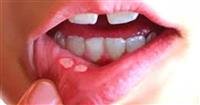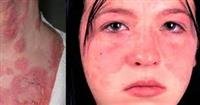
about its symptoms
Dr. Al-Hussein Asiri, a consultant and head of the rheumatology department at Asir Central Hospital, explained that the cases of Behcet disease in the Kingdom range between 13.5 and 22 cases per 100,000 people, indicating that the number of injured is estimated at 5 thousand injured.
He said that males are four times more affected than women, referring to the reason for the delay in diagnosing the disease because those with it are exposed to different types of symptoms, which makes them go to doctors who are not specialized in rheumatology, and then discover their infection. According to "Al Watan".
Al-Hussein stressed that Behcet''s disease is a chronic inflammatory immune disease that leads to a triad of symptoms, indicating that this disease has no known cause at all, but it is believed that environmental factors and genetic predisposition may play a role in its emergence.
He added that the disease affects all age groups, but it usually affects men and women in the second and third decade of life.
Dr. Al-Hussein explained that the patient suffers from symptoms and pathological signs related to the affected organ, so the pathological picture varies from one patient to another, and it is noted that the symptoms may appear and disappear on their own, and their severity decreases with the passage of time, and it is worth noting that Behçet''s disease is a non-contagious disease. .
Al-Asiri stated that there are some treatments that will reduce the severity of symptoms and control the disease and make it inactive, and it is represented in the topical treatments that are prescribed to control the signs and symptoms that the patient can suffer from, and the systemic treatments that the doctor prescribes for patients in severe cases. Simple cases do not require more than topical treatments that are given at the time the symptoms are present, and they are dispensed with when the symptoms disappear, unlike difficult cases that require continuous treatment even when symptoms disappear.
Behcet''s disease is also called Silk Road disease, and it is a rare immune disease. It is also a form of vascular inflammation that appears most often with ulceration of the mucous membranes and visual problems. It was discovered by the Turkish scientist Hulusi Bahjat in 1937.
It is represented by the following signs
01 recurrent mouth ulcers
02 Genital ulcers
03 Uveitis
04 skin symptoms
05 Vasculitis
06 Arthritis
07 Digestive problems
08 Inflammation of the brain and nervous system