
Congress of Oncology Surgery
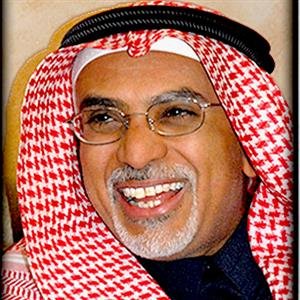
Dr. Al-Arifi: The Eastern Province, which is the highest in breast cancer and colon rectal cancer, Khobar - Ibrahim Al-Shaiban, the co-executive director of surgical services at King Fahd Specialist Hospital in Dammam, Dr. Ibrahim bin Abdul-Karim Al-Areifi, has determined that the beginning of 2011 will witness the development of work templates in the construction of the Specialized Health Medical City
In the Eastern Region, at a cost of 1.6 billion riyals, with a bed capacity of about 1000 beds, including 200 beds for Al-Ayoun Hospital, confirming that the hospital received the land with a donation from Aramco and the blessings of the Custodian of the Two Holy Mosques, the Minister of Health and the Minister of Petroleum and Mineral Resources, appreciating the role of the Prince of the Eastern Region, His Royal Highness Prince Muhammad Bin Fahd in helping to obtain this land, which is located on the Abu Hadriya Al-Aziziyah road, and work in this city will end at the end of 2014, revealing that one of the expert houses has been instructed to conduct a study on the health needs of the eastern region, and this study will end within the next two months.
This came in a meeting that was singled out by "Riyadh" on the sidelines of the opening of the Third International Conference on Oncology Surgery held by King Fahd Specialist Hospital in Dammam yesterday, which focuses this year on (developments in oncology surgery) under the patronage of His Royal Highness Prince Muhammad bin Fahd, Governor of the Eastern Region in the Chamber of Commerce. four days.
He stressed that the programs established by the state, such as organ transplantation, tumors, and specialized medical centers, will be transferred to the Medical City, while Al-Arifi has not yet determined how to benefit from the existing hospital, but he added that there are possibilities that the Ministry of Health will turn it into a general hospital for the Eastern Region, and this is part of the Ministry’s plans. Expansive health in health services in the Kingdom.
In the context of his speech, he acknowledged the shortage of beds in the hospital, referring to the fact that there are ongoing maintenance work in the hospital, but he promised to solve this problem in the coming months, and on the shortage of intensive care beds in particular, he confirmed that maintenance is nearing completion and that intensive care will be launched with twice the number of beds available. And they seek to make each room contain only two beds instead of four beds for the privacy of the diseases that the hospital deals with.
Regarding the shortage in the number of rare medical specialties, he said: We are working on a long-term and short-term axis, which depends on qualifying doctors in short specialized courses, including 11 specialized programs for doctors in neurosurgery, children, general surgery, tumor surgery, organ transplantation, heart and kidney diseases, and the term axis Al-Taweel, there is cooperation with international medical centers, which included training sites for our doctors and health workers, especially that the hospital has from 2,800 to 3,000 employees, and in the event that we move to the Medical City, we need from 6,000 to 7,000 employees, and this cooperation will help us in the localization of jobs that the hospital seeks and accepted by the Ministry. .
In the same context, he stressed that they offer more advantages to rare specialties under the name of "scarcity allowance" to bring in specialists at a high level of competence on the one hand and solve the problem of rare specialties on the other hand.
For his part, Dr. Abdul Wahid Al-Mushakis, head of the surgery department at King Fahd Specialist Hospital in Dammam and the president of the conference, revealed during a press conference on the sidelines of the events that the eastern region ranks first in the incidence of breast and colorectal cancer, citing the proliferation of environmental pollutants that spread in the region, including factories. In addition to the effects of the Gulf War, pointing out that the region needs more research to find out the reasons for the increase in the spread of these diseases, and in the same context he did not rule out the possibility of an increase in the percentage, noting that the hospital receives between three to four cases of breast cancer in women per week transferred from Other hospitals and up to the hospital, between one to two cases every two weeks, with colon cancer.
In conclusion, he said that the conference will focus on new developments in tumor surgery, such as breast, colon and rectal cancer, bile ducts, pharynx, stomach, glands, neck and liver, with the participation of 400 doctors worldwide, and it is an opportunity to get acquainted with international experts by exploring the possibility of conducting joint research with international centers on prevention Cancer and detection of it early and the best modern ways to treat it.