
Kingdom and the higher eastern region
A symposium on "Cancerous tumors" organized recently by the Cultural Forum in Qatif revealed that the statistics of the Saudi Oncology Registry had recorded an increase of 1.5% annually in cases of various types of cancer in the Kingdom, and 135 thousand people were injured during the period from 1994 to 2008 AD, and the same statistics indicated occupation The eastern region is the highest percentage, then the regions of Riyadh, Tabuk, Qassim, then Al-Jawf and Medina, respectively, and that breast cancer comes in the forefront of types of infection, followed by colorectal cancer, then lymph nodes, thyroid gland, leukemia, liver and then lungs.
In the eastern region, breast cancer is considered the leader in tumor types, followed by the colon and rectum, and after it the thyroid gland, then leukemia.
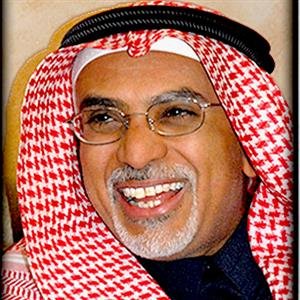
This came from the guest of the forum, consultant surgery at King Fahd Specialist Hospital in Dammam, Dr. Abdul Wahid Nasr Al-Mushaikhas, who confirmed the existence of 140 million new cancer cases diagnosed each year around the world, 57 percent of which led to deaths, calling on society to contribute to reducing the severity of the disease and mitigating its negative impact. On the patient and his family, given that cancer is a community disease and not a personal disease, the impact it leaves on the family and society is large and comprehensive.
He added, during the interactive symposium with the World Cancer Day, that the World Health Organization this year chose the slogan "We appreciate .. I appreciate, together we challenge cancer", noting that a complete cure from cancer is not impossible, but possible. He explained that it was not possible to discover the main cause of cancer tumors, but there are causes that can most often transform healthy cells into cancerous. Because of the interaction of several factors, including: genetic, such as a mutation in the DNA, environmental, such as harmful radiation and chemicals, and some chronic diseases such as obesity, colitis, hepatitis and AIDS, and other factors such as a large number of fast food, smoking, alcohol, and the lifestyle of laziness and inactivity.
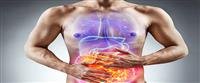
He mentioned that cancer symptoms differ according to the type and location of the tumor, with common symptoms including unexplained weight loss, persistent indigestion and difficulty swallowing, an emergency change in the process of defecation, bleeding from the anus or nipple, hoarseness or a change in the voice, and recurrent pneumonia. Significant change in moles or skin tags.
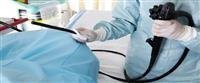
As for the diagnosis of a cancerous tumor, he emphasized that it is carried out through a comprehensive clinical examination, comprehensive medical examinations, a detailed medical history, laboratory blood analyzes, additional specialized examinations, endoscopic examination and laboratory sampling, indicating that the treatment methods of the disease depend on the type, size and type of disease. And whether there is any spread of the disease in distant organs and the general health status of the patient.
He pointed out that the surgical treatment is a partial or complete removal of the tumor, and chemotherapy is given in the form of doses in the form of injections, solutions or pills with the aim of eliminating cancer cells and stopping their growth, explaining that radiation therapy consists of shedding high X-rays directly to the tumor itself, which causes In damaging cancer cells and stopping their ability to reproduce and grow, hormonal treatment is given to stop the effect of stimulating hormones on cancer cells, but after undergoing one of the previous treatments.
He said that "directed" biological treatment is a drug that strengthens the immune system in the human body and is distinguished by its ability to directly target cancer cells only and infect them without harming other healthy cells. As for palliative treatment or palliative care, it is the transfer of the hopeless patient into a department that cares for him. And giving him doses that relieve his pain and suffering, which treats the symptoms only, not the tumor itself.
He dealt with the most important factors for controlling cancer, including: prevention, such as avoiding obesity, avoiding alcoholic beverages, quitting smoking, eating healthy food, and promptly consulting a doctor - without hesitation - when any symptoms or abnormal changes occur in the body, useful that early detection of the disease is one of the most important control factors. And prevention, by conducting periodic examinations and constant follow-up when feeling any strange symptoms or the same as those mentioned previously, pointing out that one of the means of prevention is to a healthy environment full of activity and vitality.