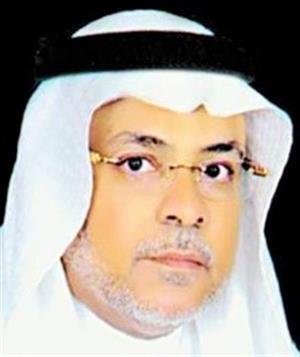

The Charitable Association for the Care of Chronic Diseases in the Holy Capital "Shifa", which is dedicated to caring for the poor at the Grand Mosque in Mecca, revealed that the percentage of Saudis who benefit from the home health care services it provides has reached 75% of the total beneficiaries of its medical services. The Chairman of the Association and Director of the Diabetes Center at Al-Nour Specialist Hospital in Makkah, Dr. Khaled Abdullah Tayeb, explained that 23% of the patients who benefit from the society''s services do not have people who work to take care of them, while 65% of them cannot meet the requirements of caring for themselves, and that 14% of Patients may not be able to dispense with the services of the association in the home health care aspect. He added that the surveys conducted by the association confirmed that 95% of patients who receive the association’s services in the home health care side feel comfortable providing service to them, while 67% of them confirmed that the number of visits by the medical team to them per month is very sufficient to follow up their cases.
Tayeb emphasized that the association provides services to patients who need home health care and who cannot go to the hospital, especially the elderly, diabetes patients, hypertension, heart failure, lung diseases, kidney and liver failure, and obesity, as well as those suffering from movement disabilities, bedridden patients, catheter patients and cancer patients.
He pointed out that the association has prepared three medical teams, each consisting of a doctor, a physiotherapist, two nurses, a social researcher, a health educator, and a therapeutic nutrition specialist, indicating that the medical teams have been provided with private cars and medical supplies where they visit patients according to pre-set timetables. It is noteworthy that the Charitable Association for the Care of Chronic Diseases in the Holy Capital "Shifa" aspires to be a pioneering model for medical and social care for people with chronic diseases in the Holy Capital, as well as achieving leadership in training, health education and scientific research. An optimal use of resources.