
in Arabic and English
The Saudi Society for Diabetes and Endocrinology in the Eastern Region provided, through the website of the Hajj and Umrah and Foreign Ministries, a number of medical instructions in Arabic and English on hypertension and diabetes under the title “Hajj and Diabetes”.
These guidelines serve expatriates to Saudi Arabia from more than 190 countries in the world to perform the Hajj, which would spread the culture of awareness of how to deal with diabetes while performing the rituals of Hajj.
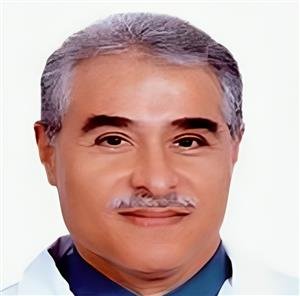
This was explained to "my lady", Dr. Kamel Salama, Secretary General of the Association, who added, "The instructions include the importance of taking all necessary vaccinations prescribed by the Ministry of Health, and learning to maintain the levels of blood sugar, blood pressure and lipids of the pilgrim within the normal recommended rates."
Salameh said: The pilgrim must perform the necessary medical examinations before performing the rituals of Hajj, and take care of the health of his body, especially the skin and feet, and avoid injuries, and crowded places in general.
He continued, "There are medicines and supplies that the pilgrim must secure while he is in the holy sites, and put them in his diabetes bag for use in emergency situations, including a device to measure blood sugar level, medical patches, wound disinfectant, special socks, closed shoes for walking, and safe dry food. , Medical tools such as toothpaste and toothbrushes, sterile water bottles, and alcohol.
Salameh stressed the importance of informing the diabetics that the organizers of Hajj campaigns suffers from diabetes, whether it comes by plane, land, or sea in order to communicate with the doctor in emergency cases, and said: “10% of the total pilgrims who come to perform the Hajj annually from within Saudi Arabia and abroad suffer from diabetes, knowing that performing the rituals requires great effort, and a lot of movement, which may require measuring blood sugar levels several times.
Salama pointed out the need to eat safe and sound foods, while drinking plenty of fluids, especially water, to avoid dehydration, and to stay away from crowded places that may contribute to spreading infection, not to be exposed to the hot sun, and to see a specialist doctor after performing the obligatory medical follow-up.