Treatment and rehabilitation in physical therapy
The field of rehabilitation is the core of the physical therapy profession. The goal of rehabilitation is to restore a person''s functional capabilities and to bring them to the maximum extent of independence. Rehabilitation treatment is intended for people with various disabilities and limitations as a result of an injury or illness and begins as soon as possible after the event. Rehabilitation includes, most of the time:
Physical and functional evaluation
Improved mobility and suitability of equipment
Practice daily chores, exercises and general activity
Guiding the patient and his family to continue exercising independently and providing advice to maintain an active life.
Rehabilitation frameworks include: initial rehabilitation during hospital stay (stays in general departments in hospitals), rehabilitation in special departments within public hospitals, rehabilitation centers and geriatric centers, day rehabilitation and community rehabilitation At home or in an outpatient institute.
Rehabilitation services are provided within the framework of the services basket stipulated in the National Health Insurance Law.
Areas of treatment and rehabilitation are common
Rehabilitation is intended for people of all ages suffering from bone, nervous, respiratory, cardiac and other ailments or injuries.
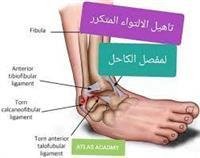
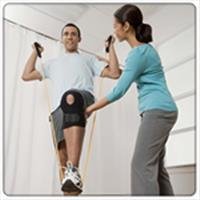
Rehabilitation of the skeletal system - enhancing mobility, improving functional performance and relieving pain for persons suffering from diseases, injuries, damages or surgeries in the musculoskeletal system. Rehabilitation generally includes exercises to strengthen muscles, improve range of motion, means to cope with pain, teach walking with an assistive device, and practice daily activities, in accordance with the goals of rehabilitation.
Nervous system rehabilitation - enhancing mobility and independent function in people with diseases of the nervous system or after surgery. Rehabilitation generally includes exercises in accordance with the special characteristics of a nerve injury, the activities required to carry out daily tasks, the adaptation of mobility devices, and rehabilitation according to the state of functional performance.
Respiratory Rehabilitation - An adaptive program in a supportive environment with medical monitoring, in order to counteract the symptoms of chronic lung diseases in order to enhance daily functioning, improve heart and lung endurance and improve quality of life. The rehabilitation program generally includes acquiring skills to clear secretions, ways to improve lung ventilation, exercises to increase the flexibility of the rib cage and to strengthen muscles, sports activity to enhance general physical fitness and advice on how to save energy during functional performance in daily life.
Cardiac rehabilitation - improving the endurance of the heart and lungs in a supportive environment and with medical monitoring, for people after a cardiac event or chronic heart disease. Rehabilitation generally includes training in sports activities, with a gradual and deliberate raising of the level of difficulty.
Post-burn rehabilitation - enhancing mobility and functional performance, with special attention to the burn area, in order to improve the elasticity of scar tissue and / or the implant area. Rehabilitation generally includes exercises to improve range of motion, strengthen muscles, stretching operations for the burn area and means to counteract pain, according to the needs of the patient.
Treatment and rehabilitation in the field of growth and development of children - Physiotherapy in the field of growth and development of children is part of a multidisciplinary fabric that includes assessing needs and providing appropriate treatment, taking into account the overall emotional, cognitive and environmental needs of children and in order to integrate them into society.
Special areas
Lymph System Rehabilitation - Lymphedema is a collection of fluid in the skin tissue. Edema (ascites) is formed after a defect in the functioning of the lymphatic system due to surgery, infection or burning, or after treating the area with radiation.
Balance System Rehabilitation - The balance device located in the inner ear is responsible for maintaining balance. The disorganization may arise due to various reasons and it can find expression in symptoms such as dizziness, nausea, vomiting, blurred vision, difficulty maintaining balance and falls.
Pelvic floor rehabilitation - pelvic floor functions include, among others: Control of needs and mechanisms to support pelvic organs. Physical therapy for pelvic floor defects helps reduce urine and faecal leakage, pelvic pain and auria and includes, in most cases: manual therapies, Biofeedback therapy, muscle control exercise, and appropriate behavioral guidance. Treatments are offered to boys, women and men in different age groups and in different health conditions.
Hydro-Therapy - Hydrotherapy - Hydrotherapy is a natural hydrotherapy treatment performed in a special treatment pool that is suitable in terms of structure and water temperature. Hydrotherapy takes advantage of water''s special advantages and impacts on the human body in order to advance treatment goals