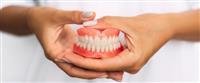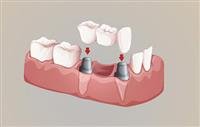
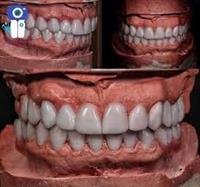
A prosthesis is an easy-to-remove dental implant that replaces missing teeth and surrounding gum tissue. They are manufactured to closely resemble your natural teeth. It may even improve your smile.
Dental prostheses are of two types - full and partial. Full dental prostheses are used when all teeth are missing, while partial dental prostheses are used in the event that some natural teeth remain. A partial denture not only fills in the spaces left by the missing teeth, but also prevents other teeth from moving into the empty space.
A full prosthesis may be "normal" or "straight." The regular type is made after all teeth have been extracted and gum tissue has healed, usually after 4 to 6 weeks. During this period, the patient remains without teeth. As for direct dental prostheses, they are prefabricated and installed immediately after tooth extraction, which prevents the patient from remaining without teeth during the healing process. Once the tissues shrink and heal, adjustments must be made.
Dental prostheses are very durable and last several years, but we may have to remake, repair or recalibrate them due to normal wear.
What does the installation of dental prostheses include?
The prosthetic process takes several appointments, usually over a period of several weeks. High precision prints and measurements are used to the correct prosthesis for you. Several "workout" dates may be necessary to ensure the appropriate shape, color and fit. At the last appointment, your dentist will carefully adjust and fit the completed prosthesis, ensuring that it is fit, natural and comfortable.
It is normal to experience increased salivation, some pain, and possible difficulty speaking and chewing. However, these symptoms will ease as your muscles and tissues get used to the new dental prostheses.
You will be given instructions for caring for your new prosthesis. Proper cleaning of your new dental implant, maintenance of oral hygiene and regular visits to your dentist will help extend the life of your new prosthesis.