
fasting
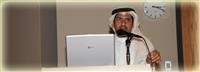
A seminar at the Founder University Hospital: Dietary regulation and drug therapy help diabetics to fast. Dr. Abdul Rahman Al-Sheikh, consultant of internal medicine, diabetes and endocrinology at King Abdulaziz University Hospital, advised diabetics, who depend on their treatment on diet to adhere during the month of Ramadan to the quantities and types of food They are allowed during normal days, indicating that they can eat three meals at equal intervals between breakfast and the pre-dawn meal, provided that the pre-dawn meal is late and integrated diet.
During his participation in the symposium "Our fasting diabetic friend, how do you take your treatment in Ramadan", which was organized by the University Hospital yesterday in cooperation with the Diabetes Friends Association in Jeddah Governorate, he pointed to the possibility of fasting diabetic patients who depend on oral hypoglycemic agents, pointing out that they must see a doctor before starting fasting. Or change your medication regimen.
He stressed the importance of reducing the dose of treatment during the pre-dawn meal for patients who depend on tablets and insulin if they feel symptoms of hypoglycemia during the day, taking into account taking the tablets with breakfast and the morning meal, taking the needle with the dinner meal, while reducing the insulin dose by 20%.
And he asked patients who take one dose of insulin to take it immediately before breakfast, and those who receive two doses of insulin daily, they must see a doctor so that they do not suffer from hypoglycemia, due to the instability of their blood level, which requires them to maintain a continuous balance Between medication and food, stressing the need to check blood sugar levels in Ramadan, especially during the first days of fasting, with delaying the pre-dawn dawn meal, and consuming adequate quantities of liquids, advising not to continue fasting if a in sugar occurs in Any time of the day.
He preferred not to fast for those who are treated with intense insulin, that is, four times a day or through an insulin pump, adding that if they wish to fast, they must take the long-term dose of Lantus insulin once a day after sunset while taking the same dose that they were taking before Ramadan He pointed out that the first dose of rapid insulin was taken five minutes before the call to prayer with an increase of 20%, as for the dose that was taken before dinner, it was taken before the pre-dawn with a reduction of 20%, and if there was a meal between breakfast and the pre-dawn meal, then the lunch insulin dose was taken with this meal With a reduction of 20%.
For her part, Professor Hanan Sarhan, a specialist in nutrition and diabetes education and the supervisor of the Diabetes Friends Association in Jeddah, indicated the importance of sports for diabetics during Ramadan, indicating that they can exercise during the period between breakfast and the pre-dawn meal, provided that it is not a violent sport.
She said that the meal is the most important factor in treating diabetes, pointing out the importance of reducing the intake of canned and sweetened juices as much as possible and replacing them with drinking water or eating a moderate amount of fresh juices that are brought at home without adding sugar, in addition to reducing the consumption of fried pastries with fats and replacing them. About that by placing them in the oven without using any fats, stressing the abundance of vegetables and green salad, with moderation in eating starches, while avoiding the use of sugar and moderation in the use of salt in food.
She warned against eating fatty sweets such as kunafa and qatayef due to their high content of fat, stressing the need for the patient to carry an identification card about his diabetes and the type of treatment used, due to its importance when any complications of diabetes occur in the patient, adding that the patient must be spared exposure to psychological pressure and anxiety. Because they increase the level of high blood sugar.
And she cautioned the need to consult the attending physician before using any medicine to treat some infections that frequently occur during the month of Ramadan, such as cases of cold and sore throat, lack of sleep during the critical period, that is, between Asr and Maghrib prayers, and not hesitate to break the fast if the level of sugar is high and the presence of ketones in the urine Also, in the event of an accidental disease such as high temperature, diarrhea and vomiting.