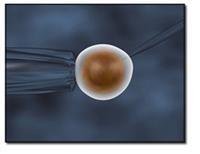
Fertility treatments have resulted in an increase in the birth of multiple fetuses. However, there are increased risks associated with a multiple pregnancy. The goal of any fertility treatment should be the birth of a healthy baby, with minimal risk to the mother. To achieve this, health authorities are now encouraging IVF centers to choose only one embryo and transfer it to the wife''s womb whenever possible.
This is because there are more risks associated with a multiple pregnancy for the mother and her babies. One twin pregnancy in 12 pregnancies results in at least one of the twins being born dead or severely disabled. A multiple pregnancy also increases the risk for the mother of pregnancy-related health problems. Therefore, transferring a single embryo will reduce this risk.
It is often believed that returning one embryo will reduce the chances of success of the IVF process, but transferring two embryos to the uterus does not increase the chances of pregnancy, but it increases the chances of multiple pregnancies and all the additional risks resulting from it.
Therefore, if the wife is under the age of 37 years, has never had a failure in any of the IVF treatment stages, and has good quality embryos, the IVF center may suggest that she choose to transfer one embryo in order to provide the best chance for a healthy pregnancy and childbirth. Healthy baby.
To make sure that the wife has the best chance of success, the embryologist will assess the quality of the embryos before the transfer. The best embryo will be implanted. For other good quality embryos, it may be frozen and stored for future use.