than 7,000 scientists at the Monaco Global Forum
Muhammad Khan: The anti-aging program calls for the establishment of specialized and model centers and clinics in this field in Saudi Arabia
A Saudi consultant, in the largest global forum witnessed in French Monaco, presented the first Saudi anti-aging program to more than 7,000 specialists and participants in order to develop a global anti-aging system. The Global Anti-Aging Forum will discuss ways to radically extend human life, and bring together researchers in various branches of tissue engineering, artificial intelligence and law.
The researchers said in their working papers presented at the forum that most people are not aware of the speed at which medical science is advancing in the anti-aging field. And that traditional medical progress ensures that a child born today will live a life of about 120 to 150 years, expressing their belief that this child can live a longer life if we achieve the right breakthroughs in the next twenty-five years.
The forum seeks to adopt an international plan of action on aging, to respond to opportunities and challenges in the field of population aging in the twenty-first century and support building a society for all ages and commitment to take action at all levels, including the national and international levels, in three priority directions: the elderly and development , Promoting health and well-being in old age, and ensuring an enabling and supportive environment.
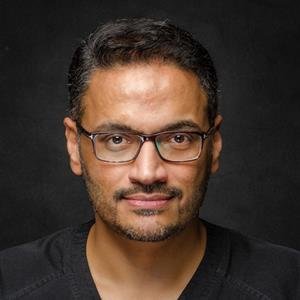
Dr. said. Muhammad Abdulmanan Khan, Consultant of Plastic Medicine and Surgery and Fellow of the Royal Canadian College of Surgeons, in the working paper he presented at the Monaco Global Forum that the Saudi Anti-Aging Program includes establishing specialized and model centers, units and clinics in anti-aging medicine in the Kingdom of Saudi Arabia as the new and distinctive style of preventive health care in New millennium. D. He betrayed the importance of having this type of medical center to combat aging, given that Saudis feel old at an early age, and many of them have the desire to live at the age of sixty, and begin to count his remaining days and expect his death at any moment, which makes us ask ourselves: Why are we different about others? And why our old age precedes their old by years? He treasured d. This led to the fact that the suffering in Saudi society is the clear weakness of primary health care that results in the outbreak of many chronic diseases. Rather, we are "without pride" among the people of the world suffering from diabetes and stress They are two of the most common diseases that contribute to premature aging. Dr drew. Khan notes that the anti-aging medicine unit is based on early detection, prevention and treatment of diseases. Extending their healthy lives through the use of advanced biomedical technologies that focus on early detection, prevention and treatment of diseases related to aging, including degenerative diseases of aging.
He indicated that the group most threatened by Alzheimer''s disease in Saudi Arabia are those over 80 years old and account for 14 percent of the total elderly in Saudi Arabia, referring the reasons to several factors, including the high average age of the individual, lack of exercise and increased intake of fatty and starchy foods, which is the prevailing lifestyle Among many Saudi families.
He stressed that failure to combat aging will greatly increase the number of people with forms of dementia, such as Alzheimer''s disease, indicating that there are 44 million people in the world affected by this disease and it is expected that the number will more than triple to reach 135 million people by 2050.
He stated that the global cost of health care for dementia patients exceeds $ 600 billion, or about one percent of global GDP, and that this cost is on the rise.
The consultant Dr. Muhammad Khan pointed out that the Saudi anti-aging program that he set up to combat the so-called epidemic of aging was developed in a French partnership with La Clinique de Paris International Clinics and the Center for Specialized Clinics for Plastic Surgery and includes detailed blood tests where some blood samples are sent to Paris for a complete analysis In order to prevent diseases, identify deficiencies in the organs, preventive examinations for organs, check mineral levels, antioxidants, hormone levels and blood pressure, all of that is followed by a prescription according to the patient''s condition. He stressed that this program in anti-aging medicine is a true preventive program for investigating aging, and it includes hormone replacement therapy that is suitable for every patient. Serious degeneration begins at about the age of fifty, and it is called the great inversion or the time of change.
Khan talked about the most important symptoms of aging in females and males, indicating that the symptoms are accompanied by vascular movement, an accelerated pulse, hot flushes, coldness, palpitations, headache, sweating, tense psychology, subject to excitement, insomnia, depression, negative images of self, antisocial tendencies, a desire to scream, a tendency to suicide, a sense of tingling and inability to concentrate Weakness, fatigue, muscle spasms, joint pain, loss of appetite, nausea, vomiting, stomach pain, constipation, weight loss, forceful urine flow, inflammation in the bladder, decreased sexual desire, difficulty erectile dysfunction, antisocial tendencies, desire to scream, suicidal tendency, tingling, inability to concentrate, weakness, fatigue, muscle spasms, and pain In the joints, loss of appetite, nausea, vomiting, and stomach pain. He stressed the importance of practicing healthy behaviors that affect human life, including the types of food we eat, the extent of our physical activity, and our exposure to health risks, such as smoking, harmful use of alcohol, or exposure to toxic substances. Dr. Muhammad Khan stressed that the proportion of the world''s population over the age of 60 years will increase by 22 percent in 2050 AD to reach 2 billion people at a time whose number now stands at 605 million people. Among this world are Arab and Gulf countries, including the Kingdom of Saudi Arabia. . He said that anti-aging medicine centers are the advanced line of defense in many developed countries, and they play an important role in early detection and prevention of many infectious diseases, and contribute to reducing the percentage of people with chronic diseases and the emergence of a generation, the majority of which do not suffer from premature “aging,” which is the result of absence. Health equity ». Dr. concluded. Khan said that anti-aging medicine will restore vitality and activity, not get tired easily, improve mood, feel happy and satisfied, improve sleep quality, improve hair and skin quality, reduce body fat, improve bone and muscle strength, correct osteoporosis, improve sexual ability, improve immunity, stimulate blood circulation and improve function. Heart and lung, improve digestive function, and improve fat metabolism.
Some researchers participating in the Monaco Global Anti-Aging Forum believe that it is possible to lure the human body into a longer life by replacing the parts that wear out as a result of extinction and updating the body''s life chemistry whenever problems occur. And these scholars believe that such procedures will become common two or three decades from now.
They said that scientists are not searching for a single magic formula for treating aging, but instead combating aging diseases such as Alzheimer''s, cancer, heart and circulatory diseases. They believe that success in treating such diseases means postponing death, and Professor Tom Kirkwood of Newcastle University in Britain put forward a theory that says we die because the genes encoded to do maintenance work such as the restoration of genetic material or DNA and anti-oxidant enzymes, lose their vitality at a steady rate. This is due to the fact that life is a balance between two competing forces, namely the need to reproduce and maintain the body long enough to perform this task. In simple terms, our bodies maintain themselves long enough to have children only.
The paradox
If we can scale up body maintenance - or repair any artificial damage by replacing body parts - we will be able to live a much longer life. Meanwhile, Professor Chris Mason, a life medicine specialist at King''s College London, believes that within a few decades, scientists may be able to teach the body to produce its own organs. He refers to a project that a global research center has been working on for forty years to find ways to help reproduce the limbs they lose.
Professor Mason says that humans are able to naturally regenerate some parts of the body, such as the liver and tongue. In principle, we "should be able to reproduce other organs as well, such as arms and legs." Amid all this optimism, other scholars are calling for pause. And Richard Faragher, president of the British Association for Aging Research, confirms that there are many ways to improve public health with simple measures such as repairing hip fractures in more effective ways.
The Monaco Global Anti-Aging Forum comes in light of the recognition that the world is witnessing an unprecedented demographic shift and that by 2050 the number of people over the age of 60 will increase from 600 million to about two billion people, and that the proportion of people over the age of 60 is expected to double. From 10 percent to 21 percent. This increase will be the largest and fastest in developing countries, where the number of elderly is expected to quadruple over the next 50 years. The demographic transition constitutes a challenge to all our societies to more opportunities announced by the millennium regarding the existence of two international and national environments that foster a society for all ages. The implementation of the recommendations contained in the International Plan of Action on Aging, approved by the United Nations General Assembly, which include directives in the areas of independence and participation in strengthening international cooperation is essential to complement national efforts to implement the International Plan of Action on Aging.
The contemporary world possesses unprecedented health and technological capabilities and offers extraordinary opportunities for: Empowering men and women to reach advanced age in good health and achieve the fullest levels of well-being And the pursuit of the full inclusion and inclusion of the elderly and the empowerment of the elderly to contribute more effectively to their communities, and to continuously improve care and support services for the elderly whenever they need it.
For this reason, the Monaco Forum came to acknowledge the importance of including aging in development plans, as well as in poverty eradication strategies and in efforts to achieve the participation of all developing countries in the global economy. The health sector is of fundamental importance for the situation of the elderly. Government responses focus on various issues, including subsidies for medicines, exemption from usage fees, health insurance systems, and the provision of special services, including the creation of geriatrics departments, attention focused on some chronic diseases, individual training, research and policies to address mental health issues. , Especially dementia, and more specifically Alzheimer''s disease (memory loss).
The forum seeks to amend some national health policies to address the increasing incidence of chronic diseases that often affect the elderly. A few countries have taken steps to ensure the right of everyone over the age of 65 to have free medical examinations on a regular basis, including the diagnosis and treatment of chronic diseases, and reports have been provided on the provision of home and mobile services in urban and rural centers. A fe