
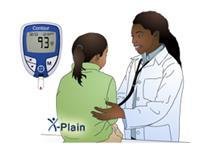
The presence of diabetes means that blood sugar is too high. In the case of type 1 diabetes, the pancreas is unable to make insulin, the hormone that helps sugar enter cells to give them energy. Without insulin, a lot of sugar stays in the blood. Over time, this excess sugar can cause problems with other body functions, such as:
the heart.
the eyes.
The kidneys.
Nerves.
Gums and teeth. Type 1 diabetes is more common for children and adults in their early youth, but it can appear at any age. Among its symptoms:
Feeling very thirsty.
frequent urination.
Feeling very hungry and tired.
Weight loss without the patient intentionally losing weight.
Skin sores that heal slowly.
Dry and itchy skin.
Loss of feeling or numbness in the feet.
Blurred vision. A blood analysis can show the presence of diabetes. If the analysis shows the presence of this disease, the patient will have to take insulin for life.
an introduction
Diabetes is a common disease that affects millions of people every year. In addition, five to ten percent of all cases diagnosed with diabetes, in the United States, for example, are of type 1 diabetes. It may happen that the doctor informs the child''s parents that their child has type 1 diabetes. It is useful in this case to know that although there is no cure for this disease yet, there are many treatment methods that can control this disease. This educational program helps teenagers and families of children with diabetes understand type 1 diabetes and learn ways to control it.
Diabetes
The body is made of millions of cells that need energy to perform their functions. The food we eat turns into a sugar known as glucose. This sugar travels to cells through the bloodstream. Sugar is an essential ingredient that cells need to produce energy. There are two conditions that must be met for sugar to enter the cells.
There are sufficient "gates" to receive sugar in cells, and these gates are called receptors.
The availability of insulin necessary to "open" these gates or receptors.
When these two conditions are present, glucose enters the cell and uses it to produce energy. Without energy, all cells would die. Insulin is a chemical hormone produced by the pancreas. The level of insulin in the blood varies according to the amount of glucose in it. Diabetes is a disease that makes it difficult for cells to get the glucose they need to produce energy. In type 1 diabetes, the body''s immune system attacks and destroys the cells of the pancreas that produce insulin. Therefore, people with type 1 diabetes do not have enough insulin in their bodies, and this leads to a significant increase in their blood sugar. Type 1 diabetes tends to occur in children and adolescents, and it is not a hereditary disease. Symptoms of type 1 diabetes can appear and progress very quickly, within hours or days. Common signs and symptoms of diabetes include:
Feeling very thirsty.
frequent urination.
Feeling very hungry.
weight loss.
Feeling tired.
Changes in vision.
The level of blood sugar can rise dramatically if left untreated, and lead to coma or coma, and sometimes death. It can also happen within hours or days of the onset of symptoms! Symptoms and signs of this disease differ from one diabetic to another. Diabetes is diagnosed when a doctor detects that the level of sugar in the blood or urine is high. This test is done if the doctor suspects diabetes. The best time to take the test is in the morning before the person has eaten any food or drink. This is called a fasting blood sugar measurement.
Diabetes treatment
There is no treatment that can cure diabetes. But if blood sugar levels are maintained within a normal range, the disease can be controlled. People with type 1 diabetes do not produce enough insulin, so they must adjust their diet and use insulin. A participatory relationship on the part of the patient or the person caring for him is necessary in the diabetes control process. In fact, it is difficult to verify treatment success without this participation. The patient or the person caring for him must learn and follow the instructions and procedures necessary to control blood sugar levels.
Control your diabetes
Diabetes can be controlled through
Adopting a healthy diet.
Exercise.
Check your blood sugar level regularly.
Use of insulin.
The dietitian, health educator or diabetes doctor explains to the adult patient or the supervisor of a child with diabetes how to prepare meals. It also answers any question posed to him. There are three goals to adopting a healthy diet, and they are:
Control your weight.
Maintaining blood sugar within the normal range.
Reducing body fat.
A healthy diet includes the type and amount of food and the number of meals. The healthy food options available to people with diabetes are broad in terms of the frequency and amount of food. In contrast to the prevailing impression, they are surprisingly many and varied. Exercising lowers blood sugar and helps lose weight. It also maintains a healthy heart and blood circulation. And exercise also relieves stress or psychological distress, and strengthens the muscles. The doctor discusses with the patient what type of exercise is appropriate for him. However, a doctor should always be consulted before starting any new exercise program. It is necessary to keep checking blood sugar levels to ensure that they are within normal limits. If the blood sugar level turns out to be very low or high, the patient may need to change his diabetes medicine or change his diet or exercise program. The doctor or nurse tells the patient if he or she needs to make any change.
The blood sugar level is measured by taking a small of blood from the finger. The finger is pricked with a prick, which is a small needle that is used once. Blood sugar should be measured one to four times a day, and this can be done at home. Most patients can easily measure blood sugar. A diabetes specialist explains to the patient the correct way to measure blood sugar and helps him determine appropriate times for the test. It also teaches him how to adjust the amount of insulin he uses, or how to adjust his diet, or the exercises that he takes to help control blood sugar. There are many forms of insulin. The doctor determines the appropriate type for each patient, and teaches him how to prepare the insulin injection for himself. A program that the patient usually has to adhere to is identified. This program may need to change depending on the patient’s activity level and diet, and is subject to change with the increase in the patient’s age and size, especially for pediatric patients.
High blood sugar and hypoglycemia
The blood sugar level may increase or decrease from the required level when trying to control it, and thankfully, it can be easily regulated and adjusted. A situation in which the level of sugar in the blood is very high is called "hyperglycemia", meaning that the level of blood sugar exceeds the normal limit. Eating a lot of foods or consuming sugary, sweet foods, as well as not taking medications, leads to hyperglycemia. Illnesses can also lead to hyperglycemia. If hyperglycemia is not treated, the patient may develop coma or coma.
These are some of the signs of hyperglycemia
Dry mouth.
Thirst
Frequent urination
Blurred vision.
Fatigue or drowsiness.
weight loss.
The patient, when the level of sugar in his blood is high, must drink water or liquids without sugar, check the level of sugar in his blood, and adhere to his diet set by the doctor. If his sugar level does not decrease after this, he should call his doctor. The doctor will tell him what level of sugar it is for him is high. If the blood sugar level is very high, the patient may have to go to the hospital. We say that there is a lack of blood sugar when the level of sugar in the blood falls too low from its normal level. Hypoglycemia often occurs in patients who are taking insulin or other blood sugar-lowering drugs. Taking too much insulin can cause this condition, and this is called an insulin reaction or insulin shock. Hypoglycemia may also occur when the patient eats less food, skips a meal, or exaggerates exercise.
Signs of hypoglycemia include
Sweating, trembling, nervousness, and a rapid heartbeat.
Hunger
Dizziness and fainting.
Personality changes, disturbed thinking, panic, and irritability.
Numbness of the lips and tongue.
Headache.
Blurred vision.
Speak slowly or intermittently.
If not treated, hypoglycemia may lead to coma or seizures. People with diabetes notice different signs when their blood sugar level s. Therefore, the patient must know what he would feel when his blood sugar level decreased. Some people do not notice any signs
Indicates low blood sugar. Therefore, these patients must rely on a blood test to detect their hypoglycemia. If the level of sugar in his blood is low, the patient should immediately eat or drink something containing fast-acting sugar, such as half a cup of fruit juice, a regular soft drink, ten sugar grains, or two teaspoons of sugar or honey. The patient must take an additional dose of fast-acting sugar if these symptoms do not disappear after a quarter of an hour, or if his blood sugar level remains less than eighty mg / dL, and he must repeat this every ten minutes or a quarter of an hour until the sugar level exceeds eighty mg / DL. The patient can eat his meal if it is due in less than half an hour. But if the meal is more than half an hour later, he can have a snack, half a sandwich of meat, or three biscuits, after consuming a fast-acting sugar dose. This snack should not be counted and not taken from the next meal. The patient should also not drive or engage in potentially hazardous activities if he thinks his blood sugar is low, as the patient may be harmed if his blood sugar suddenly s and falls into a coma while climbing a wall, cycling or swimming, for example. The patient must inform his family and friends about his diabetes, so that they transfer him to the hospital immediately or contact the emergency department in the hospital if they find him unconscious or speaking incomprehensible or illogical words.
Diabetic complications
The appearance of signs of diabetes decreases when a person can control the level of sugar in their blood. Then he will feel better and more energetic. If the patient does not adhere to the prescribed diet, does not exercise, or does not check his blood sugar level regularly, he will be exposed to serious complications. Diabetes complications include neuropathy and vascular disease in the body. Diabetes complications take several years after disease to appear, and it is rare for people under the age of eighteen to develop. But good control of diabetes in childhood helps prevent these complications from arising or delay their onset in adulthood. The cause of nerve damage in diabetic patients is still unknown. This damage is known as diabetic neuropathy. It affects the nerves to the lower legs and feet. The patient may feel unusual numbness or coldness in the legs or feet. A diabetic, who suffers from impaired feeling in his feet, should avoid harming them by wearing tight or painful shoes, or by exposing them to hot water, etc. He must also examine his feet every day to make sure that there is no wound, redness or swelling, and to ask the doctor to examine them whenever he goes for a medical examination. In the long term, people with diabetes can develop impotence. Therefore, the patient must strive for good diabetes control in order to lead a normal sexual life. And since diabetes can affect the nerves that go to the heart, people with diabetes may not feel chest pain when they have a heart attack. Therefore, they must be careful if they feel heaviness in the chest, numbness in the arm, or indigestion, as these symptoms may indicate a patient has a heart attack. High blood sugar can also damage small and large bl