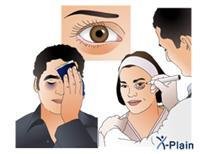
Eyelid lift surgery, also known as blepharoplasty, is performed with the aim of repairing or repairing drooping or drooping upper eyelids. Ptosis or drooping of the eyelids occurs naturally with age. Some are born with drooping eyelids, or diseases that cause eyelid drooping may occur. An eyelid lift is usually performed while the patient is awake. The plastic surgeon injects an anesthetic drug around the eye so that the patient does not feel pain during the surgery. The surgeon will make thin incisions in the natural creases or folds of the eyelids, then remove any loose skin and excess fatty tissue. After tightening the muscles of the eyelid, the surgeon will suture the area. Rarely, a suture of eyelid surgery requires a stay in the hospital. The surgery is performed in a surgeon''s office or as an outpatient surgery in a medical center.
an introduction
Eyelid surgery repairs a drooping or drooping eyelid. This surgery is also known as a blepharoplasty, or eyelid lift. Ptosis or drooping of the eyelids occurs naturally with age. Some are born with drooping eyelids, or diseases that cause eyelid drooping may occur in others. This educational program explains eyelid surgery. It discusses the procedure, as well as its risks and benefits.
The skin and eyelids
The skin is the largest organ in the body. The skin protects us from heat, light, injury and infection. The skin also regulates body temperature and stores water and fat. Skin changes with age. It begins to wrinkle, loses its elasticity, and sags. Smoking and exposure to the sun speed up skin changes with age. These changes may lead to facial wrinkles and sagging skin. The face is the first thing people see and notice. And they see in him expressions, feelings and personality. Women''s face begins to change at a younger age than men''s, because women''s skin is thinner, and there is not much blood supply. The changes usually begin in the early 40s in women and the late 40s in men. The eyelids help protect the eyes. The eyelids at the edges spread moisture or moisture to the eyes. The limbs also help move dirt or other particles away from the surface of the eye. Closing the eyelids when something approaches the eyes protects them from harm or injury. The eyelids expand with age, as the tissues, structures and muscles that support the eyelids weaken. The skin may begin to sag. The fat that remains in normal conditions around the eye can move forward under the eyes. This may cause drooping eyebrows, drooping eyelids, and the formation of bags under the eyes. The space under the eyes can accumulate fluid, and this may make the area under the eyes appear swollen or swollen. Severe drooping of the skin around the eyes may make a person look old and tired. It may also impair peripheral or side vision.
Facial plastic surgery
The decision to perform cosmetic surgery must be made in agreement between the patient and the health care provider. The patient and the health care provider must work together to make a knowledge-based decision to determine whether surgery is safe and effective. The health care provider needs to assess the patient''s general health, know what the patient expects from facial surgery, and then examine the patient''s eyelids and face. The health care provider may recommend one or more specific cosmetic procedures. The patient should have realistic expectations about what plastic surgery can be offered to him. The patient must also be aware of the potential risks and complications, as well as the cost of the surgery. The health insurance provider may not cover the cost of the operation if the procedure is performed just to improve the appearance.
Eyelid surgery
Eyelid surgery is a procedure to repair drooping eyelids by removing the skin, muscles and excess fat. It may be considered if the drooping or drooping eyelids:
They prevent the eyes from opening completely.
They pull the lower eyelids down.
They obstruct vision.
They make the patient look old or tired.
Removing excess tissue from one or both eyes can improve vision. It also makes the eyes appear younger and more alert.
Alternative Treatments
Alternative treatments to eyelid surgery can also relieve puffy eyes, under-eye puffiness, and drooping eyelids. Applying cold compresses or sleeping with the head elevated can help relieve or eliminate puffy eyes. Eye puffiness or a drooping eyelid can be naturally reduced by:
Avoid salty foods.
Drink a lot of water.
Get enough sleep.
Dermatological treatments, such as chemical peels, may improve skin tone and tighten it. It may reduce the appearance of puffiness and tighten the skin around the eyes. Skin resurfacing is a less invasive procedure than eyelid surgery. It removes damaged skin and boosts collagen production around the eyes. Botox® can be used to improve facial wrinkles. It can also be used to relieve drooping lower eyelids and lift the upper eyelids.
Action
Eyelid surgery rarely requires a hospital stay. The surgery is often performed in a surgeon''s office or as an outpatient surgery in a medical center. It may take one to three hours to complete the surgery. A eyelid lift is often performed while the patient is awake. The surgeon injects medicine around the eye to numb it. Medicines may be given to the patient intravenously to make them relax. The patient should not feel pain during the surgery. If surgery is performed on both eyelids, the surgeon usually works on the upper eyelids first. The surgeon makes tiny incisions along the natural crease of the upper eyelid, and removes the loose skin and some muscle and fat under the skin. The incision is closed with fine stitches that leave an almost invisible scar. Sometimes tape or skin patches are used instead of sutures. The incision is made on the lower eyelid, just below the cilia. It is performed on the natural wrinkles of the eye or inside the lower eyelid. Then the surgeon removes or redistributes excess fat, muscle, and skin. The sutures may follow the natural crease of the lower eyelid. It may be placed on the inside of the lower eyelid.
Risks
Eyelid surgery, like any surgery, carries some risks, such as infection or a reaction to anesthesia. Most recovered people have no problems with the anesthesia. Although many people have mild, temporary symptoms, anesthesia in itself is very safe. Complications from anesthesia are rare. It is more common in the elderly or in those with severe health problems. It includes
Complications
Temporary confusion.
Lung infections.
brain attack.
Heart attack.
the death.
Other potential risks of eyelid surgery include
Temporary numbness of the eyelid skin.
Dry and irritated eyes.
Temporary visual changes, such as double vision.
Impaired eyelid function.
Scarring.
Damage to the eye muscles.
A very small risk of blindness due to bleeding behind the eye.
You can talk to your health care provider to find out if the patient is at these risks.
After the procedure
After eyelid surgery, the patient will spend time in the recovery room. He will be monitored for any complications. However, he should be able to leave later in the day to rest at home. You will apply a lubricant ointment to the eyes to protect them from drying out. The ointment may cause temporary blurred vision. Immediately after surgery, the patient may also complain of:
Excessive watering.
Sensitivity to light.
Double vision.
The cracks will be red and visible at first. And the scars from the incisions may take six months or more to disappear. The eyelids may be swollen and numb for several days. If used, the stitches will be removed after three or four days. The swelling and bruising, which is similar to a "bruise of the eye", will likely last for a week or more. Applying an ice pack or cold compresses to the eyes can help reduce the swelling. The pain after eyelid surgery is usually mild. The patient may be given a pain reliever to manage mild discomfort. You should not take aspirin, ibuprofen, or naproxen, as these drugs may increase the risk of bleeding. After surgery:
Avoid straining, heavy lifting, and swimming.
Avoid strenuous activities, such as aerobic and jogging.
Wear sunglasses to protect the skin of the eyelids from the sun and wind.
Raise the head during sleep, up from chest level.
Non-smoking.
Follow the directions of the health care provider. He will teach the patient how to clean the eyelids. The patient will be given antibiotics in the form of eye s or ointments to prevent infection. Medical care should be sought immediately in the event of complaints about:
shortness of breath.
Chest pain.
Abnormal or abnormal heart rate.
hemorrhage.
Visual disturbances.
Many patients are satisfied with the results of eyelid surgery. And they look more comfortable and fresh. In some patients, the results of eyelid surgery may be lifelong. And for others, eyelid drooping may eventually come back.
Conclusion
Eyelid surgery repairs drooping or drooping eyelids. The surgery is also known as blepharoplasty or eyelid lift. Ptosis or drooping of the eyelids occurs naturally with age. Some are born with drooping eyelids, or diseases that cause eyelid drooping may occur in others. Eyelid surgery is a procedure aimed at repairing drooping eyelids by removing excess skin, muscles and fat. It may be considered if the drooping or drooping eyelids:
They prevent the eyes from fully opening.
They pull the lower eyelids down.
They obstruct vision.
They make the patient look old or tired.
Eyelid surgery, like any surgery, carries some risks, such as infection or a reaction to anesthesia. A eyelid lift is often performed while the patient is awake. The plastic surgeon injects a drug around the eye to numb it. Medicines may be given to the patient intravenously to make them relax. However, the patient should not feel pain during the surgery. Removing excess tissue from one or both eyes can improve vision. It also makes the eyes appear younger and more alert. Many patients are satisfied with the results of eyelid surgery. And they look more comfortable and fresh.