
approaching ... and psychological pressures are the main cause
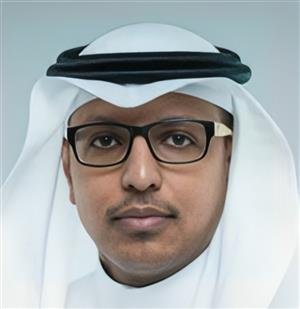
Consultant dermatologist, hair transplant and dermatologist, Shadi Talal Zaree, revealed a direct relationship between psychological pressure and the increase in acne, especially with the approaching season of exams.
This came during a recent medical study conducted by Dr. Shadi Talal Zaree, entitled "The relationship between acne and psychological stress among medical students in Jeddah," as it has been scientifically proven that psychological pressure increases acne. The research was also published in an international Australian magazine that deals with skin diseases as a Saudi and international achievement with the participation of Dr. Dana Rahmani.
Categorical proof
The study indicated, "Psychological stress increases the secretion of the hormone cortisol, which increases the secretion of the sebaceous glands that cause acne." Dr. Shadi Zaree mentioned that the study is very important in dermatology. Where the study unequivocally confirmed the relationship of stress and acne, especially at the time of tests. And that after the existence of this relationship was different in it. Dermatologists could benefit from this study by prophylactically ramping up acne treatment before the tests begin.
Early treatment
Dr. Shady Zaree also published another study with the participation of Dr. Esraa Turkistani, in which he explained that acne is widespread in the Kingdom, indicating that it is present in Jeddah women by 98% between 22-24 years old.
The study also showed that 60% of the women had scars, 73% of them had skin pigmentation as effects of acne, and 40% of the study women indicated that they visited a dermatologist to treat acne, while the rest of the students used over-the-counter treatments.
Stressing the importance of raising awareness about acne, and visiting a dermatologist to treat acne at an early stage before the resulting effects, represented in pigmentation and scars, to avoid the psychological suffering resulting from them, which may be difficult to treat in many cases.
He said: "There must be awareness of the importance of not using over-the-counter topical treatments or formulations, as using the treatments incorrectly may cause irritation and irritation of the skin, causing pigmentation to make matters worse."
It is worth noting that Dr. Shadi Zaree holds the American and Canadian Board of Dermatology, works as a representative of the College of Medicine at the University of Jeddah, and a visiting professor at Canadian Miguel University, where he teaches Canadian dermatologists on topics related to acne, hair transplantation diseases, and face lift without surgery. He has a global presence as research participations in several conferences annually, has presided over several international conferences and has several papers published in international refereed scientific journals.