the brain and uterine tumors
Two surgeries at Dhahran Health Center, the first of which was to widen the main arteries (carotid arteries) feeding the brain and install internal metal mesh stents to prevent recombination of their walls, and the second to shrink the benign uterine tumors known as fibroids. The consultant medical radiologist, angioplasty and head of the medical team treating Dr. Majed Ashour said that treatment by catheter for these arteries is a new type of non-surgical treatment, as this type of operation is performed by a doctor specializing in medical radiology and catheterization under local anesthesia and sedatives, and the recovery period after this operation is short, not exceeding a day or two, where the A thin plastic tube called (catheter) through a small opening with a diameter between (3 to 5) mm, under the skin in an area in the upper thigh, and this tube is directed and its movement is monitored through imaging rays inside the aorta until it reaches the carotid artery in the neck area and this The artery is the main supply to the brain, and the process of widening the narrowing takes place through a balloon, and then a metal stent is placed to keep the artery open and to avoid its walls sticking again.
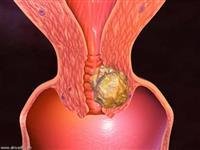
Dr. Ashour explained that catheterization operations and widening the arteries of the extremities, pelvis and kidneys at Dhahran Hospital began more than two years ago, but this operation is the first of its kind in terms of the type and location of the artery, and in other medical development, medical radiologists in the medical services department are now able to reduce uterine tumors. The benign, known as fibroids without surgery by blocking the blood flow to stop the growth of these tumors. This new technique is described as perhaps one of the exciting new procedures carried out by medical radiologists, during which the catheter is ed into the femoral artery at the intersection of the thigh in the abdomen through a small opening In the skin with local anesthesia, the catheter is then extended to the artery that supplies the uterus, where small plastic pellets the size of sand grains are ed to gradually block the flow of blood, and the reduction in blood flow leads to shrinking the fibroids. Symptoms such as bleeding and pelvic pressure.
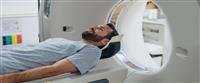
Regarding this new technology and its use, Dr. Ashour said that this operation represents for many women the best native to a hysterectomy or a fibrous lumpectomy, and the recovery period takes about a week. Dr. Ashour stated that uterine fibroids are usually discovered for the first time during an internal gynecological examination through which the doctor can To determine the extent of uterine enlargement, these tumors can also be confirmed by ultrasound detection, magnetic resonance imaging, or computer-assisted computed tomography.
It is noteworthy that the first non-surgical operation to treat uterine fibroids through catheters and blocking the arteries feeding the uterus was performed last year and is the first of its kind in the eastern region.