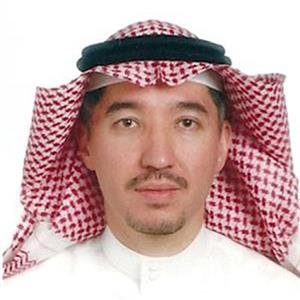

The consultant of interventional radiology and angioplasty at King Faisal Specialist Hospital and Research Center in Jeddah, Dr. Majid Ahmed Ashour, added that varicose veins form when there is a defect in the function of the valves inside those superficial veins, and the walls of the veins can lose their elasticity (due to the age factor or hormones), which leads to expansion Those veins, and when this happens, the venous valve becomes unable to close, allowing the blood to return instead of heading towards the heart (the so-called venous reflux) and the blood collects in the lower veins, causing those veins to enlarge and form varicose veins in them and in this way the defective valves can be at the top The leg can lead to the formation of varicose veins and veins in the lower (such as the middle or lower leg).
Dr. Ashour advised those with this disease to practice walking and exercise to improve leg strength and blood circulation, avoid standing and sitting, in addition to controlling weight and avoiding wearing clothes that limit the use of calf muscles, such as high-heeled shoes.
With regard to the treatment options for varicose veins, he showed that the doctor usually resorts to trying several treatment methods in which surgery is not a party at the beginning, in an attempt to get rid of the accompanying symptoms. These treatment methods may include the use of appropriate preventive methods or the use of compression stockings even if the varicose veins do not respond to this treatment method Conservative, there may be a need to resort to more effective treatment methods, and modern surgical methods such as intravenous laser treatment provide the opportunity to provide effective treatment for varicose veins and get rid of pain and associated symptoms without the need for the patient to be hospitalized or to form skin scars.
Dr. Ashour continued that resorting to traditional surgeries is declining with the increase in the effectiveness of other native procedures that do not require surgical work. The surgery may be painful and the recovery period with it is long and is accompanied by a 10-25% chance of the problem recurring again, and these operations are generally performed in the operating room. In which the patient is fully anesthetized and two large wounds are made in the groin and knee, and the vein is tied and cut, and then removed from the other tributaries attached to it in the leg. Trauma and swelling often occurs after the operation. Damage to the nerve tissue surrounding the treated vein can result in a feeling of numbness or burning around the resulting scar. About surgery....