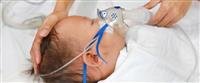
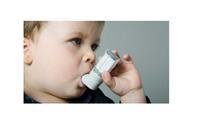
Respiratory infections are due to a bacterial infection (viral or bacterial) that is present in the nose, throat or lungs, and when these germs are present in the airways, they lead to bronchitis (Bronchiolistis) - Bronchitis is caused by a viral infection and the most common cause is the virus (RSV). . What is RSV? (RSV) is one of the most common viruses that cause bronchitis in children under the age of two years, as infections can occur throughout the year but are more frequent in the winter.
Can bronchitis be a dangerous disease?
Yes, it can be a dangerous disease, especially for children under the age of one year.
Some babies with bronchitis need to be admitted to the hospital to receive treatment, such as oxygen and intravenous infusion.
As for premature babies (babies born prematurely) and babies with congenital heart defects, they are exposed to severe infections in the airways that cause RSV.
What are the symptoms of respiratory infections?
runny nose.
Cough with sputum for up to two weeks.
Wheezing (wheezing) in breathing.
pain in the ear.
When should I go to the hospital?
If the following symptoms appear: -
1) High temperature.
2) Difficulty breathing and a rapid increase in breathing.
3) Increased mucous secretions from the nose.
4) Inability to feed and eat.
5) Lethargy and lack of activity of the child.
6) Change the color of the child, especially the lips and face.
How can my child have a respiratory infection?
Not to visit places where people with respiratory infection are present.
Wash hands after coughing or sneezing.
Teach your children to stay away from people who have a cough, cold or heat.
Teach your children to take care of their hand hygiene and to wash them.
Breastfeeding reduces respiratory infections in infants.
Dr. Muhammad Majid Barzanji
Consultant of chest diseases, allergies and sleep disorders
Head of the Department of Chest Diseases and Allergy
Dr. Soliman Fakeeh Hospital