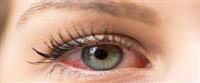

The consultant ophthalmic, corneal, iris, and refractive surgery consultant Dr. Serene Joharji, that the speed of the wind, the coldness of the weather and the dryness resulting from the heating increases the evaporation of the tear of the eye and leads to its dehydration, and although the lacrimal gland secretes more tears, it excretes only the saline layer of water and the viscous is one of the layers of the eye''s tear. A mucous layer and an oil layer secreted by other cells, the speed of secretion of a healthy tear may not keep pace with the eye''s need for moisture due to the surrounding dryness, which leads to dry eyes that may lead to pain, itching, heat, burning, a feeling of sand or tingling, temporary blurring of vision It improves with blinking, or even many unprotected, salty tears.
She added that the use of drugs such as anti-allergies, nasal decongestants and others, which are frequently used due to colds, which cause dry eyes, may be a reason for increasing the condition, adding that moisturizing the air is very important to reduce the evaporation of the tear, and there are those who prefer to use an electric humidifier, which is a good way to moisturize as well. That it is possible to use other methods to increase the humidity of the room.
Dr. said. Joharji "Drinking water and fluids is very important in the winter season, as the lack of drinking water negatively affects the water component of the eye because the cold temperatures in the winter suppress the thirst mechanism in the body and therefore some drink less water in the winter and this is harmful to the whole body," indicating that The production of an oily layer that does not evaporate quickly for the tear, which is a very important part of eye moisture. You can increase the intake of omega-3 fatty acids, which are found, for example in salmon, sardines and other oily fish, as well as in linseed, walnuts or capsules, stressing the reduction of direct exposure to the eye with cold air and wind Severe air conditioning, and wearing sunglasses, to protect the eyes from ultraviolet rays.