spread of malaria"
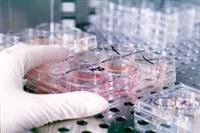
Researchers at the University of Dundee in Scotland have discovered a new compound that can treat malaria, protect people from it, and prevent its spread, all in one dose. The compound was developed in the University''s Drug Discovery Unit, in the Department of Malaria Treatment. Scientists say, according to the BBC website, that the new drug is "interesting" and may be effective against parasites that are resistant to available treatments.
Details of the discovery were published in the journal "Nature".
The World Health Organization recorded 200 million cases of malaria in 2013. 584,000 people died from mosquito-borne diseases, most of them pregnant women or children under the age of five. Concerns are growing over the drug-resistant types of malaria that have already appeared on the border between India and Myanmar, also known as Burma.
Dr Kevin Reed, co-chair of the research team, said there was an "urgent need" for new drugs.
He added, "Resistance to the reliable and currently available drug to treat malaria is a real threat. The compound that we have discovered works differently from all the anti-malaria drugs available on the market or being developed in the laboratory, which means there is a high probability that it will succeed in fighting resistant parasites."
He pointed out that the drug "targets the mechanism of making the proteins found in the parasites that cause malaria."
David Reddy, head of the malaria department, said: “This disease threatens about half of the world''s population. It is the least able to bear the consequences of the disease.
The university has been developing this drug since 2009. The project was launched by testing a batch of 4,700 compounds for their ability to kill malaria parasites.