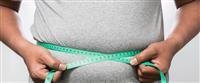

If a person is very overweight and cannot lose kilograms of weight using a healthy diet and exercise, surgery may be an option for him. We usually perform surgery on men whose overweight exceeds 45 kilograms, and women whose overweight exceeds 36 kilograms.
And surgery may be an option for a person if they are less overweight than previously and have diabetes, heart disease or sleep apnea. Weight loss surgery limits the amount of food a person can eat. Some surgeries also limit the amount of food a person can digest. Many people who have surgery lose weight quickly. If a person adheres to the diet and exercises, they can maintain their weight loss. However, surgery does have some risks and complications, such as infections, hernias and blood clots.
an introduction
Obesity or obesity is associated with several diseases, such as diabetes, high blood pressure, heart problems and arthritis. These same diseases and obesity put you at risk of an early death. And when obese people fail to lose weight by following a certain diet and exercise, surgery may be the solution for some people. Gastric bypass surgery is a type of bariatric surgery that a doctor may recommend to some patients to perform. The decision to undergo this surgery is up to the patient himself. This health information provides information about gastric bypass surgery, definition of obesity and the options available for its treatment, an explanation of the benefits and risks of surgery and what the patient should expect after having it.
Obesity
Obesity is associated with many serious diseases that may lead to early death, including
Diabetes.
Hypertension.
Heart disease.
Arthritis and erosion of the joints.
Temporary sleep apnea.
Obesity may cause a lack of self-confidence in the patient, who may prefer to stay away from social activities and resort to isolation. The patient''s sense of isolation is entrenched by what he may find difficult to cope with his surroundings and mixing with others outside of his close family members. Obesity has become more common than before, and its causes include:
Genetic factors.
Lethargy, lack of movement and little or no exercise.
Eat high-calorie, non-nutritious foods, such as fast food.
Scientists have developed a mathematical formula called BMI to measure obesity.
To find out the BMI in the metric system
The weight in kilograms is divided by the height in meters.
The result is divided by the length in meters.
For example, if a person is two meters tall and weighs 100 kilograms, then their BMI is twenty-five. To find out the BMI in pounds:
The weight is multiplied by the number 703.
The length is divided in inches (foot = 12 inches).
The number is again divided by the length in inches.
For example, the BMI of a person who is 70 inches tall and 210 pounds weighs about 30. The BMI equation is the relationship between a person''s weight and height. BMI for normal weight ranges from 18.5 to 24.9. Health care providers have defined the following criteria for BMI.
If the BMI is less than 18,5, then the person''s weight is below the normal limit.
If the BMI is between 18.5 and 24.9, then this means that the person is at normal weight.
If the BMI is between 25 and 29.9, then the person is overweight.
If the BMI is more than 30, then this means that the person is obese.
Common risks and negative effects of general anesthesia include nausea, vomiting, urination problems, sore throats and headache. Less commonly, the lip may be injured, or the teeth may be broken while the breathing tube is ed into the mouth. Risks of general anesthesia include heart attack, stroke and pneumonia. The anesthesiologist discusses these risks with the patient and asks if he is allergic to certain drugs. A blood clot may form in the lower extremities during or after the operation. The clot may travel to the heart and cause a heart attack, or it may travel to the lungs, causing a pulmonary embolism that may be fatal. Walking after surgery as soon as possible helps the patient avoid a stroke. The use of compression stockings and blood thinners such as enoxaparin and heparin can also help prevent blood clotting in the legs. Like any other surgery, gastric bypass surgery can leave scars and may cause bleeding and infection. The scar may be unsightly, especially the incision incision, in which the incision extends from the breastbone to the navel in the center of the abdomen. As for laparoscopy, the incisions are smaller and extend 2.5 cm in length to either side of the abdomen. The patient may experience severe bleeding and require a blood transfusion, or another operation. Infection is possible, although it is not uncommon. The infection can be superficial or deep. The superficial infection may lead to delayed wound healing, and the patient may need to take an antibiotic and dress the wound site daily until it heals. In some cases, the patient may need another surgery. As for deep infection or peritonitis, it may require antibiotic treatment and another operation. It may also cause internal scarring. There are some risks associated with the operation to open a bypass to bypass the stomach in a Y-shape, including damage to and injury to internal organs such as the liver, spleen, veins and major arteries. These injuries may require further surgery to repair the injury, and in rare cases, they may lead to death. Lines of surgical clamps and connections between the stomach and intestine may also leak, and those connections may break down, leading to deep infection, which requires another operation to fix them. Another rare complication is a blockage in the intestine resulting from the formation of internal scar tissue called adhesions. Symptoms of intestinal obstruction include nausea, vomiting and abdominal pain. The blockage may require surgery to open it. Surgery, especially the operation to open a passage to bypass the stomach, may cause a hernia, which is a weakness of the abdominal muscle as a result of the operation, so the intestine appears swollen under the skin. The hernia may need to be repaired with surgery. Bariatric surgery by opening a Y-shaped gastric bypass is one of the more difficult operations than stomach reduction surgery. These processes also lead to long-term nutritional deficiencies, because food bypasses the duodenum and jejunum where most of the iron and calcium are absorbed. Some patients, especially women of childbearing age, may develop anemia due to blood loss in the menstrual cycle and lack of absorption of vitamin B12 and iron. Lack of calcium absorption may also lead to osteoporosis and other bone diseases. Patients should take nutritional supplements to avoid nutritional deficiency. Surgery to open a passage to bypass the stomach with a Y-shape may cause "dumping syndrome", which is an annoying reaction that occurs after eating a meal rich in simple carbohydrates that the body quickly absorbs. In it, stomach contents travel through the small intestine very quickly, causing nausea, flatulence, abdominal pain, physical weakness, sweating, fainting, and sometimes diarrhea after eating. After undergoing surgery to open a passageway to bypass the stomach, patients need to avoid foods high in sugar and fat in order to prevent dumping syndrome. Patients may develop ulcers that can be treated with anti-ulcer medications. Most stomach ulcers that have had a Y-channel bypass surgery can be prevented by abstaining from smoking and alcoholic beverages and by taking anti-inflammatory drugs such as ibuprofen (Motrin and Advil), aspirin, naproxen (Aleve) and prednisone. The stomach that has undergone surgery to open a duct may swell in a Y-shape, which may cause hiccups and flatulence. There is no foolproof method, including surgery, to lose weight and maintain that weight. The patient should cooperate fully and commit to changing their eating and exercise habits. The situation should also be monitored by the doctor. Commitment and cooperation are essential for life.
After surgery
The patient will spend two nights in the remote monitoring unit before returning home. A Foley® catheter is also ed into the bladder to empty urine from the bladder. It is necessary for the patient to maintain his activity during his stay in the hospital, and to walk in the halls, as this helps him avoid blood clots, pneumonia and constipation. During the patient''s stay in the hospital, the patient will have a small breathing instrument called an incentive spirometer. This tool helps the patient to prevent pneumonia, atelectasis, and other respiratory problems. The patient also benefits in this case from coughing and deep breathing. As soon as the doctor permits the patient to eat, the patient will have to follow a diet consisting of liquids during the first two weeks, followed by two weeks in which the patient will follow a diet consisting of pureed or mixed food. The patient will not be able to eat large quantities of food after the surgery to open a passage to bypass the stomach in a Y-shape, because the stomach has become smaller as a result of the surgery. After the operation, the patient needs to open a channel to bypass the stomach in a Y-shape, to take vitamins, iron and calcium supplements regularly, along with other medications prescribed by the doctor or dietitian. The surgery is successful when 50% of the excess weight is lost and the weight is kept the same for five years. For example, surgery is considered successful in a patient who weighs more than the normal limit of 90 kilograms if he loses at least 45 kilograms of weight, and maintains this weight the same over five years. Weight lost in the first two years after surgery to open a bypass to bypass the stomach in a Y shape accounts for about 50% to 70% of the excess weight. Although some patients may gain weight in the following years, many of them maintain 60 to 70% less weight than their excess weight over a period of ten years or more.
Healing at home
After the patient returns home, he should do some movement for half an hour every day. The patient has to walk for the first month, and after that, he should consult his doctor about other activities that he can do. After being discharged from the hospital, the patient must follow a diet consisting of complete fluids during the first two weeks, followed by two weeks, in which the patient must follow a diet consisting of pureed or mixed food. The meals should be rich in protein to help you recover faster. The patient may vomit if he eats it quickly, or if he eats a large amount, or if he drinks fluids with meals. The patient should write food notes to discover what is causing his vomiting. He should eat and drink slowly, and he should drink liquids half an hour to an hour before or after meals. The doctor may ask the patient to reduce the amount of caffeine he consumes to only two cups. Alcoholic beverages are not preferred because the patient is more sensitive to them after surgery. If you are permitted by law to drink alcohol, then you should be in moderation and only drink alcohol on occasion. The patient should follow the following instructions to help his body heal:
Not to do any strenuous activities, exercise, or carry heavy objects for two weeks. He must not carry anything weighing more than 9 kilograms.
Not to drive until the surgeon allows him to do so.
Not to immerse the incisions in water for two weeks. And not to lie in a hot bath for two weeks.
The incision will be healed by sutures and dermabond. The patient should contact a doctor or nurse if the wound becomes red, inflamed, or swollen. He should also call if he notices an increase in the fluid coming out of the drainage tube, or if he smells a foul smell from it, or if he feels more pain in the abdomen or where the fluids are emptied. The patient should also call a doctor if he develops a fever and has a temperature of more than 38 ° C. The doctor prescribes to the pati