

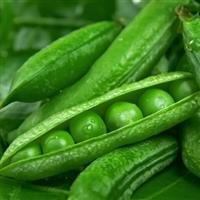
As the structure of the skin weakens, the level of type-1 collagen, the main structural component in the extracellular matrix, decreases, and the function of dermal fibroblast cells reduces – all of which associate with skin aging. There is keen interest in discovering natural-based approaches that offset these effects. Vegetable peptones are plant-derived peptides from protein-rich vegetables such as wheat and pea. Eulji University (Korea) researchers conducted in vitro experiments that exposed human dermal fibroblast cells to vegetable peptones for 5 hours. Type-1 collagen production was enhanced, and cell proliferation improved, with greater exposure to the vegetable peptones producing a greater effect. The study authors report that: “these findings suggest that increased proliferation of human dermal fibroblasts and enhanced production of type I collagen by vegetable peptones occur primarily by inducing the p90 ribosomal s6 kinase–CCAAT/enhancer binding protein [beta] phosphorylation pathway, which is mediated by activating Raf-ERK signaling.”
This content is for health education and does not replace a consultation with a doctor.


