
to a severe shortage of "electrocardiologists" doctors
A medical consultant specializing in cardiac catheterization operations admitted the scarcity of specialists in this important medical field in the Kingdom, explaining that the length of the training period has led to a severe shortage of specialized doctors, the novelty of specialization, and the need for catheter laboratories and devices.
Pediatric Cardiac Electrophoresis Consultant at Prince Sultan Center for Treatment of Cardiac Diseases and Surgery, Dr. Khaled Daghriri, said upon his participation in the International Pediatrics Conference in Al-Baha, that specialists in this field need training capabilities such as laboratories and devices to help them train in the subspecialty.
He stated that the acute shortage of doctors in the Kingdom is due to the long period of training that extends after obtaining a bachelor’s degree, being about 10 years. He pointed out that the total number of specialists in the field of cardiac catheterization in adults and children may not exceed 15 specialists in the Kingdom, and the number of specialists for children is four Saudi doctors.
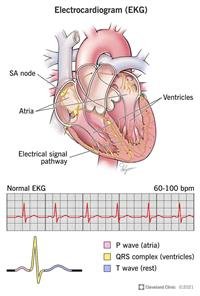
Dr. Daghriri attributed the reason for the weakness of the heart''s electricity in children to a congenital defect, or the mother''s taking antagonists that cause rheumatic diseases, and weak heart electricity may result after performing surgeries to repair birth defects in children, confirming the presence of some genetic diseases that cause irregular heartbeat. Causes sudden death such as enlargement of the heart muscle, and in these cases the doctor resorts to conducting full examinations for family members so that the persons likely to be exposed to sudden death are counted, and in some cases it may be required to install a so-called (shock regulator) in order to limit the occurrence of sudden death ».
And he indicated that the life of the heart regulating devices ranges from five to eight years, and the device is replaced by another device with the remaining wires conducting electricity for a period that may extend to 20 years, adding, “The regulator in general and the stunner need periodic follow-up every six months to search for any collateral damage or modification in programming and determine age. Battery remaining ». The cardiologist consultant said that in the event that the lightning bolt defects basic functions, the patient must contact the specialist doctor, noting that modern devices now enable the medical team to continuously monitor and follow-up via the Internet of the patient''s condition from the hospital.
Dr. Daghriy indicated that the regulator transplants that are performed annually at the center range from 40 to 60 operations, indicating that the percentage of these operations out of the total heart surgeries performed is 10 percent.