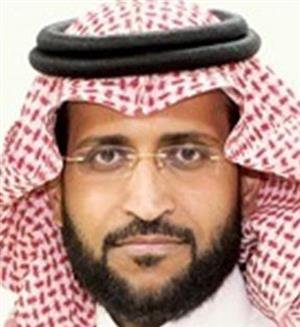

microscopic scan in Dr. Soliman Al-Habib''s group
The Olaya Medical Center of Dr. Soliman Al Habib Medical Group witnessed a rare surgery for a 35-year-old patient who had been suffering from permanent infertility for 15 years after marriage and had visited a number of hospitals inside and outside the Kingdom to no avail, as a result of his chromosomal problems and syndrome Klinefelter is classified as rare and difficult to treat. This was mentioned by Dr. Saleh bin Saleh, a consultant urologist and andrologist, who holds a Canadian fellowship.
Dr. Saleh said that the patient was suffering from primary infertility after marriage, which lasted for a long time and did not conceive during this period, and he visited a number of hospitals and made several attempts but did not succeed because of the lack of sperm. Doctors advised him not to repeat the attempt because her success rates were non-existent.
Adding that the patient was subjected to a number of tests that were based on analyzing semen, hormones, sound rays, and conducting some laboratory analyzes, which showed that the patient suffers from a chromosomal problem and semi-permanent sterility that can be treated by performing a microscopic scan of the testicle.
Dr. Saleh pointed out that this type of case is very rare, its success rates are mostly weak and does not exceed 10%, and it requires great experience on the part of the treating physician and skill in using the surgical microscope in addition to the place qualified to conduct it, and the process took three hours during which a scan was done. Microscopy of the testicle and the extraction of a number of healthy sperms, after they were absent, and they were used to inject the wife''s egg, and after a follow-up of 3 months the dream was fulfilled and the patient''s wife became pregnant after he had lost hope of having children.
It should be noted that the number of cases that have registered success and are listed in the medical references for Klinefelter syndrome cases, with which the microscopy process has succeeded, does not exceed 60 cases worldwide.