Dr. Wasim Muhammad Al-Zamil. The incidence of diabetes is remarkable in our Saudi society. It is rare to be at a social event without there being any talk about this topic. Some local studies have indicated that the percentage of people with diabetes in Saudi Arabia reaches approximately 25%, which is considered a high percentage compared to other countries. In the world, approximately 149 million suffer from diabetes, and it is expected that the number will increase to 344 million in the year 2025 AD. Diabetes affects the body in general and is not spared the eye damage. Where it was noted negative impact on the retina, especially seriously.
Diabetes is divided into: Type 1 diabetes that affects children and young adults and depends on insulin for treatment.
Type 2 diabetes is the most common and affects adults over 30 years old and depends on treatment with oral medications and sometimes insulin.
Many studies confirm that this disease - diabetes - is the third cause of vision loss in the world, and it is estimated that 12% of blind people were the main cause of their injury is diabetes, as it leaves no part of the eye without affecting it.
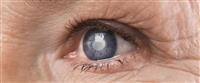
As diabetes causes the eyelids to suffer from fatty accumulations, infections, fatty bags and boils frequently occur, the conjunctiva also suffers from frequent infections and does not respond to treatment easily, as well as the infection of corneal ulcers and its healing is very slow, and the iris suffers from frequent infections, and in the final stage it grows on the iris Proliferative blood vessels, causing glaucoma which is resistant to treatment. Diabetes also causes cataracts in the eye''s lens early, and the optic nerve suffers from frequent infections that lead to a sharp decrease in the strength of vision, and it also affects the retina.
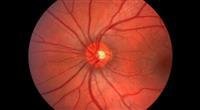
Diabetes affects the blood vessels in the retina. At the beginning of the infection the very small vessels are damaged and some fluids, fats and blood may leak from them. At this stage, the patient does not feel any symptoms, so the fundus must be examined periodically to discover these changes, which are considered an early warning sign of eye infection with diabetes complications, even if the patient does not feel any symptoms.
In advanced stages, abnormal blood vessels grow on the surface of the retina, or fluid and fat may accumulate in the area that helps us see tiny things such as letters and numbers (the center of vision), which seriously affects visual acuity.
All changes in the diabetic retina can take place without the patient feeling them until they affect the vision center, and here the patient begins to notice these changes as the degree of vision varies from time to time, it may improve at times and worsen at other times according to the blood sugar level. Therefore, the diabetic patient must be aware of the extent of the seriousness of the changes, especially if he does not bother to maintain the levels of diabetes in the blood within moderate rates and follow the diet given by the doctor and conduct a periodic examination to examine the retina by an ophthalmologist in order to obtain the appropriate treatment to prevent the occurrence of retinal detachment. .
treatment
1- The importance of maintaining a normal blood sugar level, in addition to controlling blood pressure and lipid levels, is highlighted here by adhering to a diet, taking treatment at its specified time without delay, exercising and avoiding obesity.
2 - Lasers are the appropriate treatment in advanced cases of diabetes to reduce the leakage in the center of vision and the receding of the abnormal blood vessels that may cause bleeding inside the eye, God forbid. And there is no harm from using the laser as it is rumored, but on the contrary, the delay in treatment with laser beams may cause serious deterioration of vision that may not be of benefit with future treatment.
3- Avastin injection, which is injected into the eye, and is used in certain cases, which are estimated by the specialist, to reduce colds and receding abnormal blood vessels.
4- Surgical intervention for diabetic patients in advanced cases, such as chronic bleeding in the vitreous body or retinal detachment, and the success of such operations depends on the extent to which the retina is affected by this disease.
Consultant Ophthalmologist - King Fahd University Hospital, Khobar