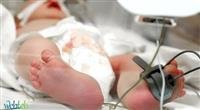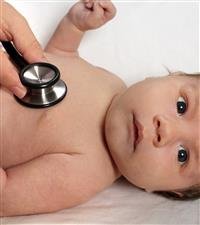
Globally, complications from premature labor are the leading cause of death in children under the age of five. For every 15 million babies born before the 37th week of pregnancy, nearly a million die annually. But new research in second- and third-ranked health facilities in Bangladesh, India, Kenya, Nigeria and Pakistan offer hope for an increase in the survival rates of these children.
These countries are among the countries with the highest premature birth rates in the world. But a randomized clinical trial - known as antenatal corticosteroids to improve outcomes in newborn preterm infants (WHO ACTION I - WHO''s first measure) has demonstrated that treating pregnant women at risk of preterm labor with dexamethasone in under-resourced settings can enhance the chance of their babies. In survival, without increasing the chances of developing bacterial infection in mothers. And in every 25 steroid treatments a pregnant woman received, she saved the life of a premature baby.
As a young physician trained in a teaching hospital in Nigeria, I have had blood transfusions for premature babies with jaundice. It is a strenuous process that can lead to infection in newborns. The possibility of mothers and their babies sparing such life-threatening measures is one of the reasons why the WHO''s ACTION I experiment is life-saving.
But while the trial results are important, this treatment for at-risk mothers cannot save the lives of all premature babies. There are at least four other methods of treating some of the risk factors for premature births while, at the same time, increasing the baby''s survival rate.
First, every pregnant woman must attend prenatal classes offered by skilled health professionals.
Second, all women must deliver in health facilities under the supervision of skilled health professionals.
Third, the maternal and newborn care services that increase the survival rate of premature babies must be improved. One example of this is kangaroo mother care, which helps keep newborns warm.
Finally, all girls must be enrolled in school. When a mother receives an education, she is more likely to go to antenatal care clinics, give birth in health facilities, and practice other health behaviors. But more than 130 million girls worldwide are not in school, and closures due to the Corona virus are likely to increase this number.
The WHO experience (ACTION-I) is an important step towards increasing the survival rate of premature babies. But addressing other risk factors they face is also necessary to help ensure that every mother, including those who live in under-resourced settings, takes a healthy baby home.