For curative catheterization in children
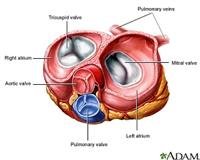
Introduction The hole between the atria (the opening in the wall between the atria) represents about 13% of all birth defects that affect the heart, knowing that the rate of birth defects is 1% of the newborns. Open-heart surgery is the main and recognized method among doctors to close such holes for many years, and the risk of these has decreased
advanced search
For operations with the progress of open heart surgery these days, but there is a significant percentage of complications and health problems as a result of opening the breast bone during surgery and diverting blood to an artificial circulation system, in addition to that 7% of patients still have an opening between the atria that varies in size even after the operation.
Locking holes through the catheter
Thinking of locking holes with catheters without the need for operations began in 1976 when scientists King & Mills conducted the first successful catheter to close the hole even though the first device was large in size and difficult to use and was installed only on adults, after that many attempts by cardiologists to lock The holes using new devices are smaller and easier to use.
Devices locking holes between the atria
There are several devices invented for the same purpose and are used in several countries with varying degrees, such as: the Amplatzer device and the Occlutech device.
In the last decade, the two devices have developed the Amplatzer and Oculotec to become the most effective devices for closing holes between the atria.
One of the characteristics of the two devices that distinguishes them from others is the small size of the catheter used to fix them and thus they are suitable for use in smaller children, and the two devices contain two disks such as a self-opening umbrella, and the device can be withdrawn from inside the body through the catheter to outside the body in case The device is not suitable for drilling holes.
Device installation steps
Firstly
The medical team performs diagnostic catheters first to make sure the puncture is located and located and take adequate measurements. Any other defects that may be associated are excluded.
Secondly
Conducting an ultrasound study of the heart by the esophagus TRANSESOPHAGEAL ECHO, as it gives a clearer picture of what is taken from outside the chest through its wall, and it is an important requirement to determine the measurements of the hole and its location, and these rays also allow following the steps of installing the device and after its installation.
Third: Test the size of the device
Fourth: Installing and launching the device.
Fifth: to make sure that the hole is locked
The device takes the final position after its release, and by means of ultrasound imaging and its technique through the esophagus, it is ensured that the aperture is completely locked.
Medical studies conducted on this device showed that the success rate is up to 90% (the percentage of the opening is completely closed), and the incidence of complications is very small.
The therapeutic catheter and the locking device can be installed when the child reaches the age of five, i.e. before entering school, and this is the appropriate time for this treatment catheter before the child engages in school activities. There are some cases that call for catheterization at a younger age than that, and this is decided by pediatric cardiologists who specialize in this type of curative catheter as needed.
The development of devices in recent years and their suitability to the size of children makes this technique dispensed with many open heart surgery for children, especially females (for cosmetic reasons related to opening the rib cage).