
its types?
Health statistics indicate that one out of four Germans is actually obese, meaning an increase in BMI of 30 or higher. Body mass index (BMI) is a measure of the normal weight rate and the rate of weight gain by using the body mass index, which examines the relationship between body height and weight. BMI - Body Mass Index.
We are not talking here about a few kilograms too much, which can be removed through exercise or intermittent fasting, but rather obesity or obesity that may afflict the body with health diseases such as diabetes or heart and other diseases related to weight gain.
According to the German public health website Fit4fun, experts have noted that an average BMI of more than 40 makes getting rid of excess weight very difficult, unless the patient resorts to medical surgical methods to get rid of the problem.
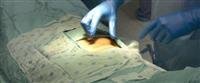
Stomach surgeries and their types
With the increase in the body index mass, the need for surgical intervention becomes greater, according to what the German Bonnet website indicates, so those suffering from this problem resort to surgical intervention by doctors to solve the obesity problem they are facing. With the development of health sciences in this field, several types of surgery arose, but the most famous and newest, according to the German website, was the gastric sleeve or gastric bypass surgery.
Sleeve gastrectomy
By it, we mean cutting parts of the stomach size and leaving only part of it. And the cut part of the stomach must contain the place of secretion of hormones that cause hunger and weight gain. It may seem simple, the smaller the stomach size, the less food is required to feel full, but the German site warns that many of those who choose this solution do not take into account that a large part of the organ has been removed irreversibly.
Path diversion process
This kind of process is intended to cause a change in the nature of the stomach and intestines, so that it absorbs sugars and changes how food is absorbed and digested. And foods are less and differently, and for this, part of the stomach is removed, and linked to the intestine. This surgery helps to lose excess weight and reduce hunger. Of great importance for the success of this operation is the ability of the surgeon to divert the course of food so that it does not go through the duodenum area as a result of the conversion and the food does not come into contact with its mucous membrane, which usually stimulates the body to release different hormones that aid digestion and help to feel hungry, and the body after this operation It will not go through the stages of ordering food for pleasure or what is called delicious hunger, that is, eating just to taste and listen, because the body does not release these hormones that urge the body to demand more food.
Risks and benefits
Despite the many benefits of stomach surgeries, which enabled a large percentage of those who chose it to lose excess weight, boosted their self-confidence, and saved them from health problems related to obesity, and this process enables insulin once again to perform its mission of transporting sugar into cells and improving sugar regulation in the blood.
However, these operations are not without risks and patients should not make the decision to perform bariatric surgery lightly, but must balance risks with success with the support of their treating physicians. Because treatment also carries various risks.
Such as wound-healing disorders, pain and inflammation. The matter varies with the long-term consequences of the operation, according to each patient. Where it is possible that the body faces a problem in absorbing nutrients adequately, which is why it is necessary to resort to nutritional supplements in order to prevent the breakdown of the body and muscles.
In conclusion, this topic may be a warning to many of those who have increased their weight recently, especially with the emergence of the Corona pandemic, and to adhere to health measures and stay at home. As long as it is possible to reduce weight through diet and exercise, the specter of surgical intervention is still far away.