
Radiation is everywhere Life on this planet means exposure to natural radiation. Artificial radiation has been used with success in recent centuries for the medical diagnosis and treatment of diseases such as cancer. The IAEA provides support to Member States for the safe and effective diagnosis and treatment of patients using radiation.
And not only the universe and our environment contain radioactivity. Even the elements that naturally make up our bodies exist in different forms - they are isotopes - some of which are radioactive, for example the radioisotopes of potassium, cesium and radium.
Like visible light, radiation is of an electromagnetic nature. When it is strong enough to break molecular bonds, it thus becomes ionizing (the process by which a neutral atom or neutral molecule loses or gains electrons to form ions), and is called "ionizing radiation". Molecular bonds can occur in all materials, even the building blocks of life - DNA.
There is evidence to show that changes in DNA molecules caused by ionizing radiation may generate mutated biological cells. The vast majority of these mutations are not dangerous to human health, but there is a small chance that some of the mutations may cause cancer. For this reason, it is essential to understand how radiation interacts with biological matter.
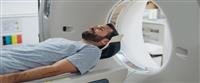
And ionizing radiation can penetrate deep into solid objects. This characteristic is the basis of both diagnosis and radiotherapy. X-rays, which are one of the forms of ionizing radiation, are emitted from a irradiation device on one side of the body. The radiation that passes through the object is detected by suitable detectors on the other side. This process can be used to produce an image that shows the internal structures of the irradiated object without opening it. When applied in medicine, in a specialized field called diagnostic radiology, this process provides images of the internal structures of the human body with a minimum of intervention.
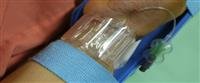
In nuclear medicine, medical practitioners inject patients with a radioactive substance that accumulates in the target part of the body. By detecting the radiation leaving the body, they can draw conclusions about the physiological functions of the anatomy. In radiation therapy, radiation penetrates the body to target and destroy tumors.
Natural sources account for about 80 percent of the global average annual dose to which people are exposed. Medical radiation is the largest artificial source to which humans are exposed. Its contribution to the average total annual dose is around 20%. This is about half the contribution of the largest natural component - radon inhalation in buildings - to the average annual dose.
For this reason, it is important to reduce unexplained medical exposures to ionizing radiation. This is achieved through improved processes for justification and optimization of exposures. Justification requires that a person be exposed to radiation only when it has a clear net benefit. On the other hand, optimization processes reduce the radiation dose used to achieve a specific diagnostic or therapeutic result to the lowest level achievable and reasonable.