
women and the best treatments
Knee roughness is one of the most common conditions in the world and it affects women more than men, and it is known as osteoarthritis, which is a complex defect that may affect the articular cartilage, the underlying bones, ligaments, the synovium and capsules. This disorder includes degenerative and reparative stages, as well as inflammation.
This condition is common among many Saudi patients, especially females. On this subject, "Madam Net", a consultant of orthopedic surgery, sports medicine, and a consultant of traumatology and artificial joints at King Fahd Hospital in Jeddah, is having a dialogue with Dr. Fadel bin Muhammad Saeed Abdeen.
What is the difference between a healthy knee and a stiff knee?
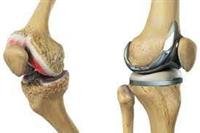
A healthy knee, its cartilage surface is smooth and protected by the joint fluid, allowing freedom of movement naturally without pain. As for the stiff knee, the following pathologies appear:
Gradual deterioration of the sliding tissue that covers and protects the ends of the bones in the joints (cartilage).
Breaking down the fluid that lubricates the joints (synovial fluid) and losing its ability to absorb shock.
A case of rubbing the bones against each other may occur, causing severe pain, stiffness and loss of range of motion.
4 health benefits of a cold shower
How is knee roughness measured?
Knee roughness is measured according to its degree
Moderate roughness: It is the stage in which the cartilage surface in the knee joint begins to wear out, which causes the patient to feel moderate general symptoms such as occasional pain as a result of a certain physical exertion or a slight stiffness in the morning upon waking up.
Moderate roughness: This is the loss of the joint fluid’s ability to soften the knee. And the emergence of some bone spurs on the edges of the knee bone, which makes movement painful at this stage.
Severe roughness: At this stage, the knee cartilage is completely damaged, causing the bones to rub against each other, resulting in severe and persistent pain, and the patient''s ability to practice daily activities is greatly reduced.
What are the causes of knee roughness?
There is no specific reason that explains the causes of stiffness of the knee, but there are some factors that contribute to the development of the condition:
Age: The risk of infection increases with age, as recent studies indicate that most cases develop the condition after reaching the age of 45 years.
Obesity: Doctors confirm that excess weight puts a burden on the knees.
Gender: Recent statistics indicate that roughness is more common in women.
Genetics: Genetic traits can affect the shape and extent of joint stability.
Previous injury: Previous knee injuries or excessive activities that stress the knee increase the risk of injury.
What are the treatment options available at the present time?
Oral treatment: depends on anti-inflammatory analgesics, such as: paracetamol, ibuprofen and other anti-inflammatory painkillers, which can relieve pain, provided they are not taken for a long time because of their stomach upset, in addition to their other side effects. In addition to glucosamine and chondroitin sulfate, which are treatment natives that are taken daily to relieve pain.
Joint injection: It is the direct injection into the knee joint joint using the drug (hylan G-F 20), which replaces the damaged or missing joint fluid, in addition to providing comfort, helps speed up the return to normal daily activities and improves shock absorption. This drug can also help delay knee replacement surgery.
Steroid injections: They are injected directly into the joint and have a cortisone effect, as they are used to give a feeling of temporary relief, but repeated use may cause cartilage damage.
Surgical solution: Total knee replacement is the last resort for patients who suffer from severe knee pain and cannot be treated with the aforementioned treatment methods.
After surgery, the patient needs a long recovery period, and regular follow-up to the doctor even after the recovery phase to ensure successful management of the case. He also needs to make some daily lifestyle changes, such as:
Regular moderate exercise.
Attendance to sessions of physical therapy that helps to strengthen muscles and increase their mobility.
Maintain an ideal weight to reduce stress on the knee joint.